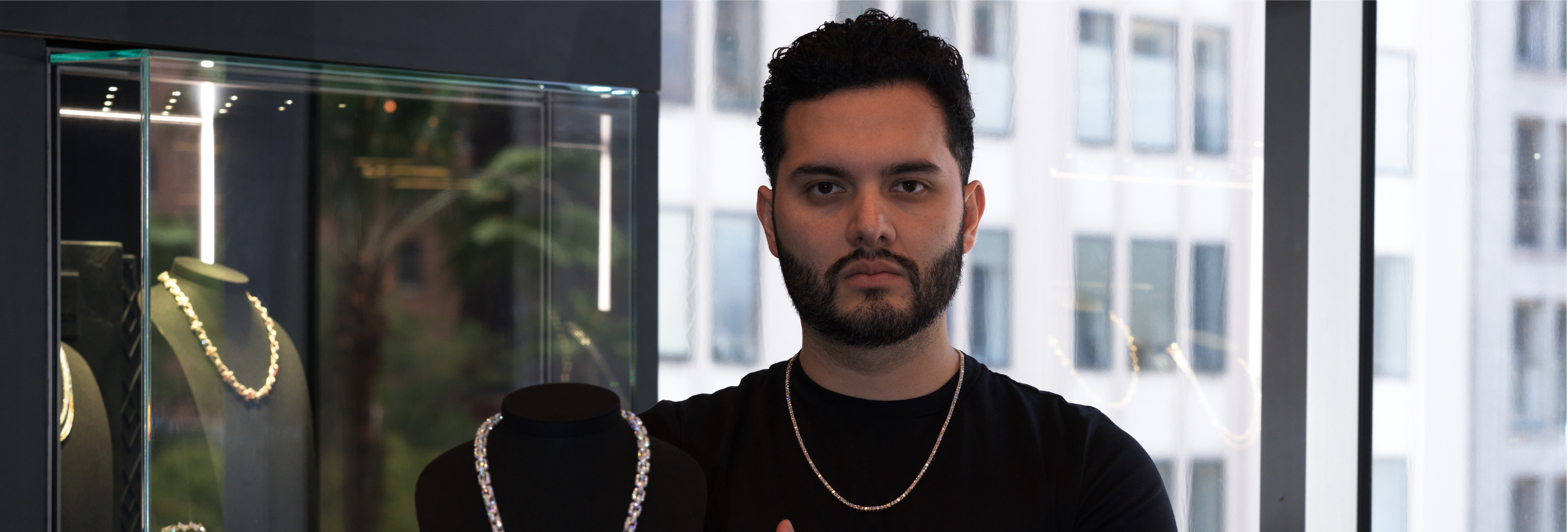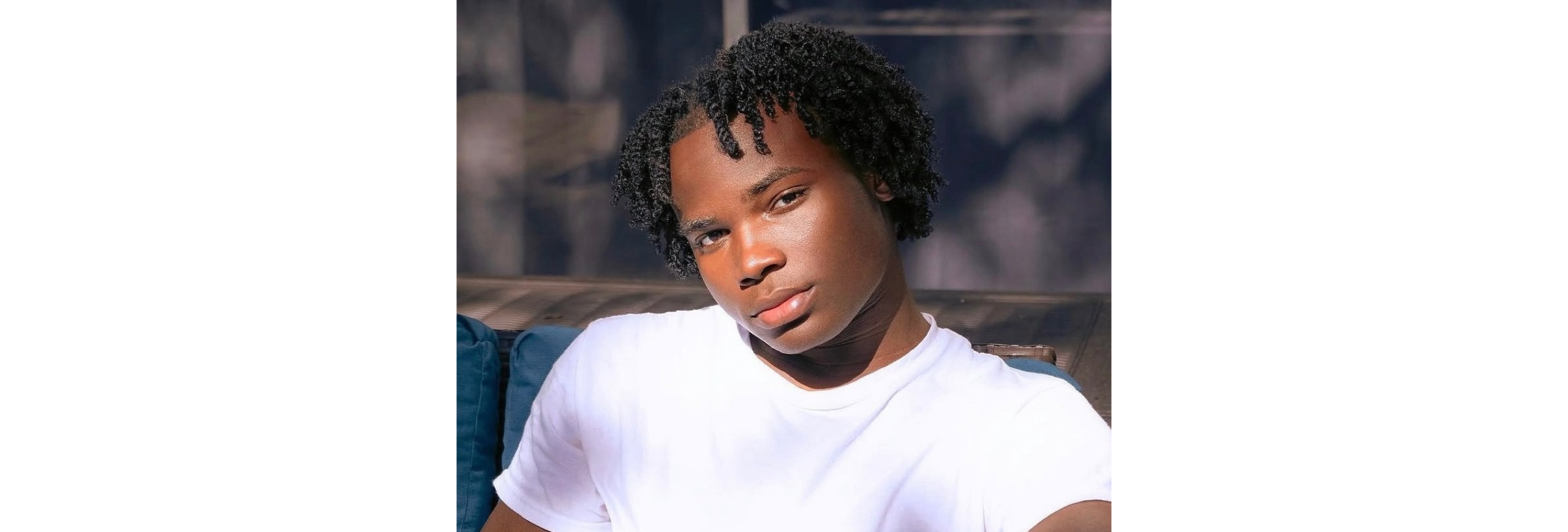

With leading-man looks, an instinct for comedy, and millions already watching, the creator has the makings of a star whose appeal could reach far beyond the livestream.
Kanel Joseph once spent six or seven months living in his car, editing YouTube videos in libraries and showering at Planet Fitness. Friends questioned the decision. His mother thought he was making a mistake. He kept filming.
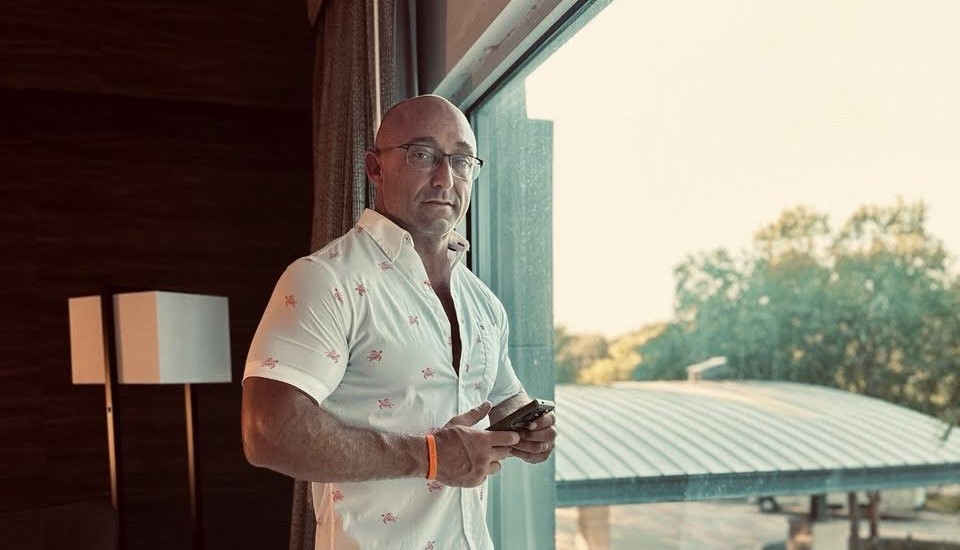
It is a revealing place to begin with someone whose looks could make the story seem effortless. Handsome and athletic, Joseph has the presence for a fashion editorial and a mischievous comic instinct that makes him difficult to predict. He can turn an ordinary encounter into a scene, commit to a ridiculous premise, and let an audience watch him become the punchline.
Now comes the intriguing question: how far could that combination take him?
Joseph has already built an audience around his willingness to take chances. His ideas about character, storytelling, and what makes people come back suggest possibilities well beyond the formats that first made him recognizable.
Before any of that, he was the quiet kid.
Born in Orlando and raised primarily in Clarksville, Tennessee, Joseph began making in-person content around Nashville. At school, he kept a small circle. The outgoing personality viewers recognize emerged through the work itself.
“I’m a little more quiet off camera, but with content it was kind of like an escape,” he says. “Every day you get to do something different or be something different.”
The pleasure of becoming someone else runs through his story. He started with Minecraft and Roblox videos, watching creators including PewDiePie, Markiplier, and VanossGaming. Around 15, he wanted to try something beyond gaming. His interests led him toward public interactions and comedy, with influences that included Tom Green, Eric Andre, and Key and Peele.
Those references help explain the performer beneath the creator label. Joseph is interested in what happens when a character enters an ordinary setting and disrupts its expectations. The stranger’s reaction matters, but so does his willingness to look absurd.
He points to a video involving a prosthetic transformation and a trip to the gym. Elsewhere, he describes the DoorDash prank he considers a breakthrough: ordering the same food as a customer and eating his own order while making it appear he was eating theirs. By his account, it reached roughly seven million views within two weeks.
Making that kind of entertainment requires a feel for the moment a situation becomes funny, and enough commitment to stay in it. Those are qualities that make the prospect of Joseph in other entertainment settings intriguing. His work already gives him practice in building a premise, inhabiting it, and responding when the scene takes an unexpected turn.
Behind the performance is someone who has had to make consequential bets on himself. The months spent living in his car demanded commitment long before the work delivered an audience.
“A lot of people didn’t believe in it,” he recalls.
That period gives weight to his ambition. Long before anyone could point to the numbers as proof, he had organized his life around the possibility that his ideas would work.
One of his biggest creative realizations came through an editing mistake. A clip he had wanted removed stayed in a video and went viral. The audience loved something he had almost discarded. It made him reconsider how much to leave on the cutting room floor and helped inspire his move into livestreaming, where viewers could experience the footage before an edit shaped it.
Now he wants to give that immediacy a longer narrative life.
“Basically, creating lore with streaming,” he says.
His vision draws on the appeal of the day-in-the-life vlogs he remembers from 2016, with experiences that connect and give viewers a reason to return. He wants someone who misses a stream to feel compelled to go back, and a newcomer to want to discover how it all began. He is thinking about the relationship between episodes, anticipation, and the people at the center of a story.
It is easy to imagine that instinct finding a home on a larger screen. An ensemble comedy could give his timing new material; a format built around his characters could let him develop the personalities audiences only glimpse in a clip. The appeal lies in discovering how much range there is behind the familiar face.
Fashion presents another compelling possibility. His athletic build and good looks lend themselves to an editorial frame, while the humor gives that image personality. He could look at home in a polished campaign without needing to lose the mischievous quality that makes him recognizable.
His actual wardrobe is more straightforward. Asked which brands he wears, Joseph lands on Nike: shorts, socks, jerseys. He sounds almost amused to discover how consistently he reaches for it. The answer offers a useful glimpse of what a natural partnership might look like, rooted in something he already wears rather than a persona invented for a campaign.
He has a clear opinion about that, too.
“Authenticity sells,” he says.
For all the possibilities surrounding his next chapter, Joseph keeps returning to the real world as his source material. Ideas arrive while he is driving. Ordinary places become settings. Meeting unfamiliar people produces the surprise that keeps the work alive.
He believes meeting people outside his usual circle brings experiences and perspectives he could never manufacture alone.
A bigger spotlight would offer Joseph another opportunity to surprise people. A fashion shoot could reveal a different presence; a screen role could give his comic instincts room to stretch. What makes those possibilities compelling is the curiosity that kept him filming when his editing room was a library and his home was a car.
Kanel Joseph wants to see how far an idea can go. Watching him find out could be his most compelling story yet.
Written in partnership with Tom White