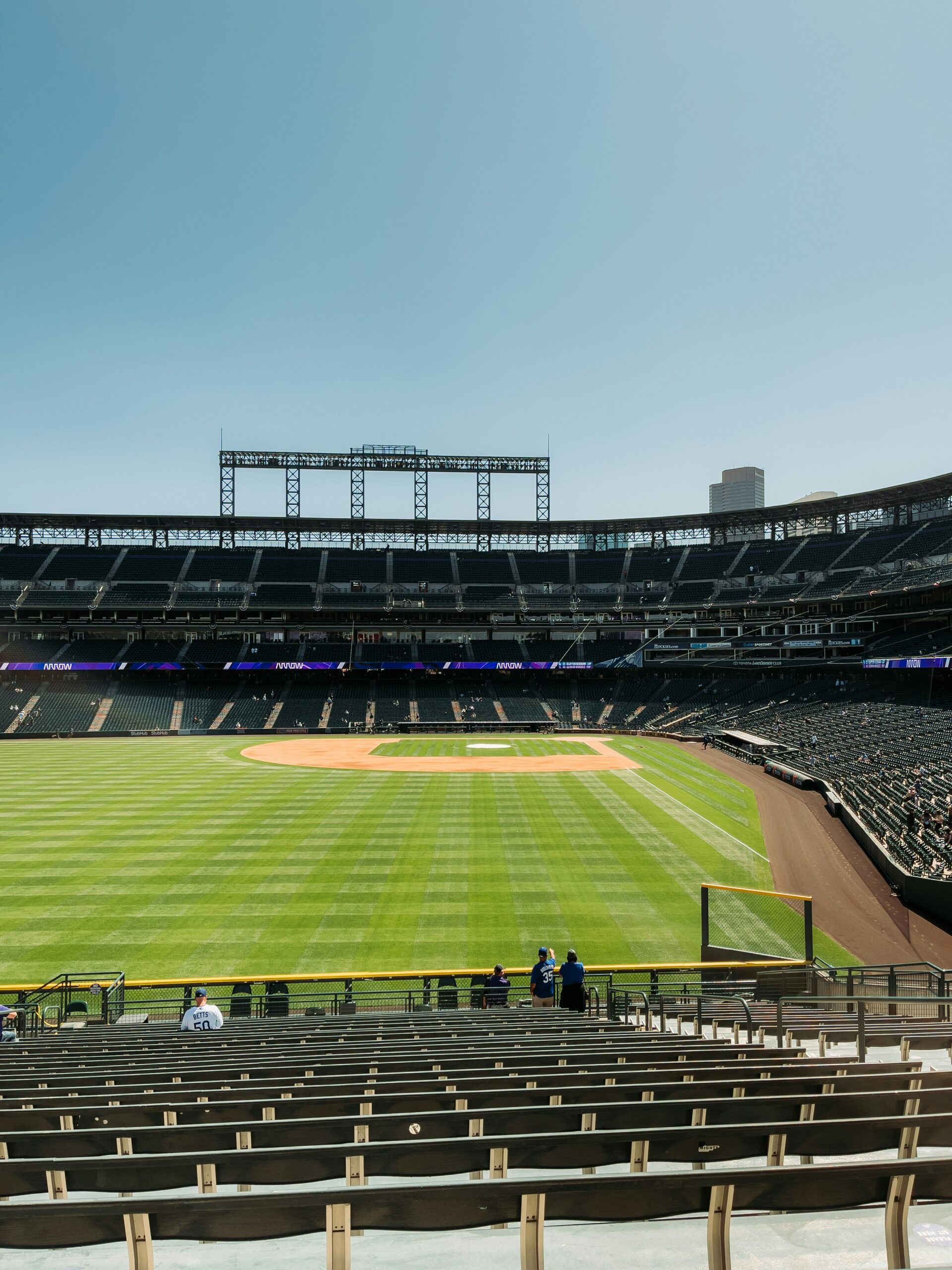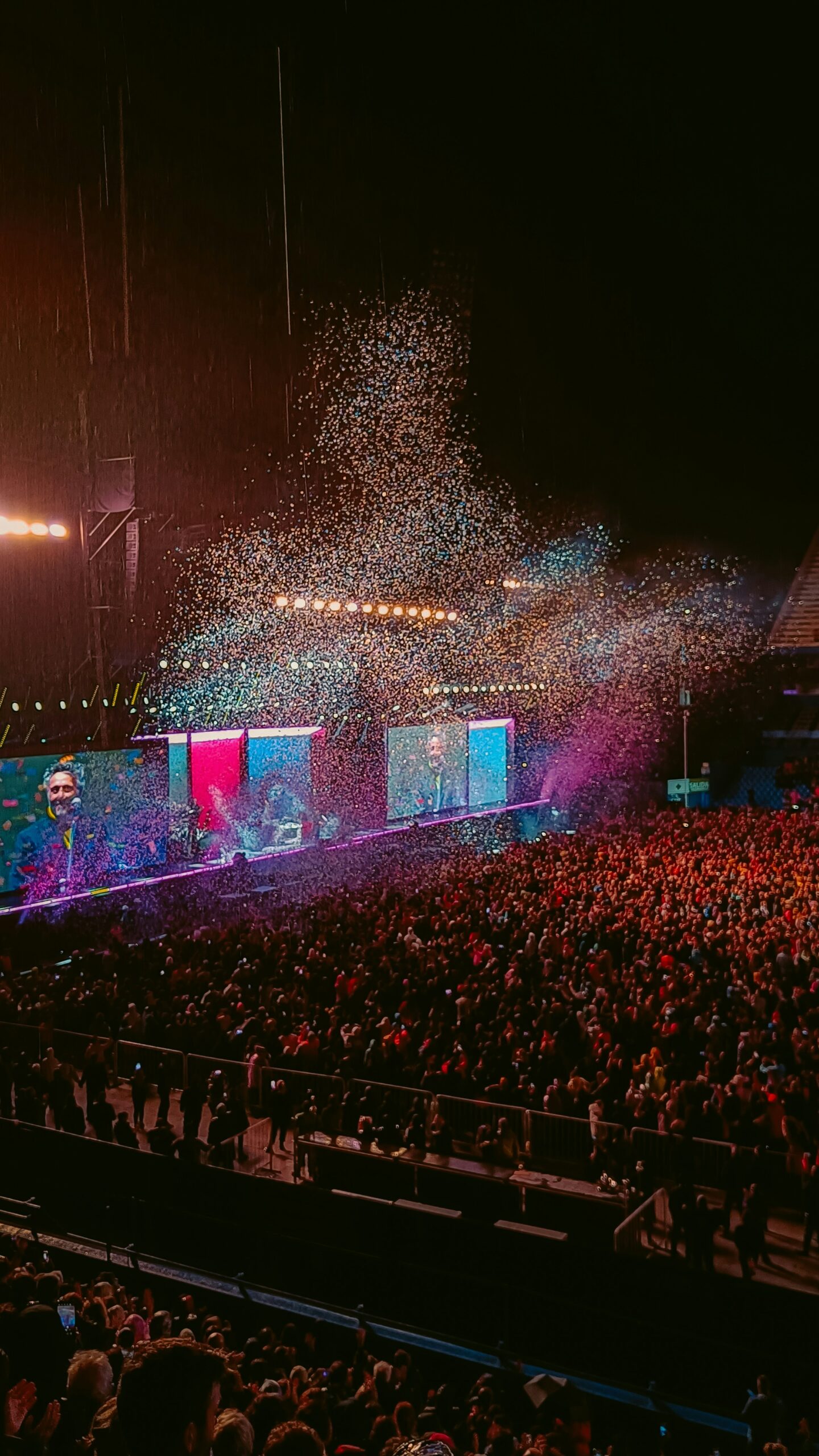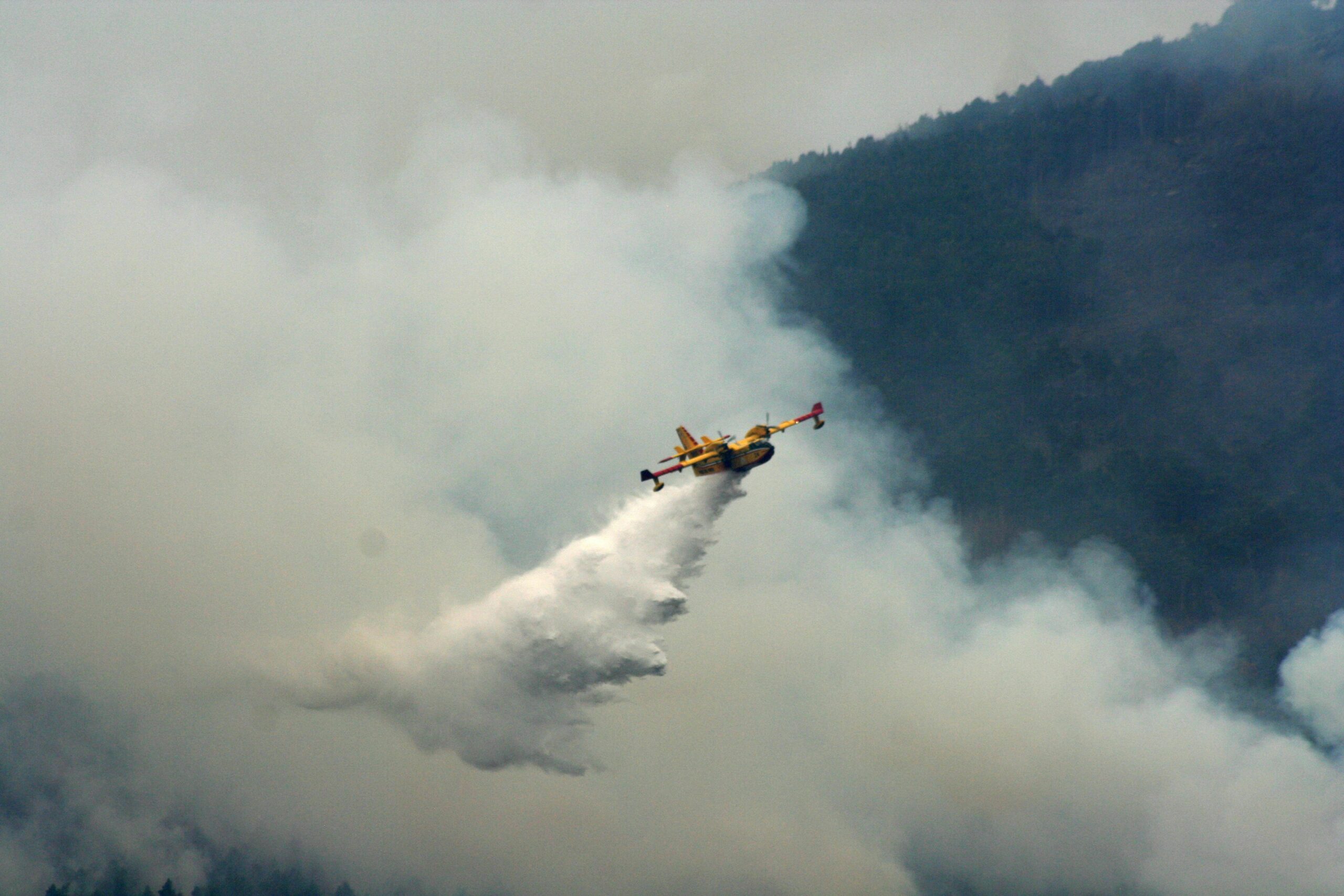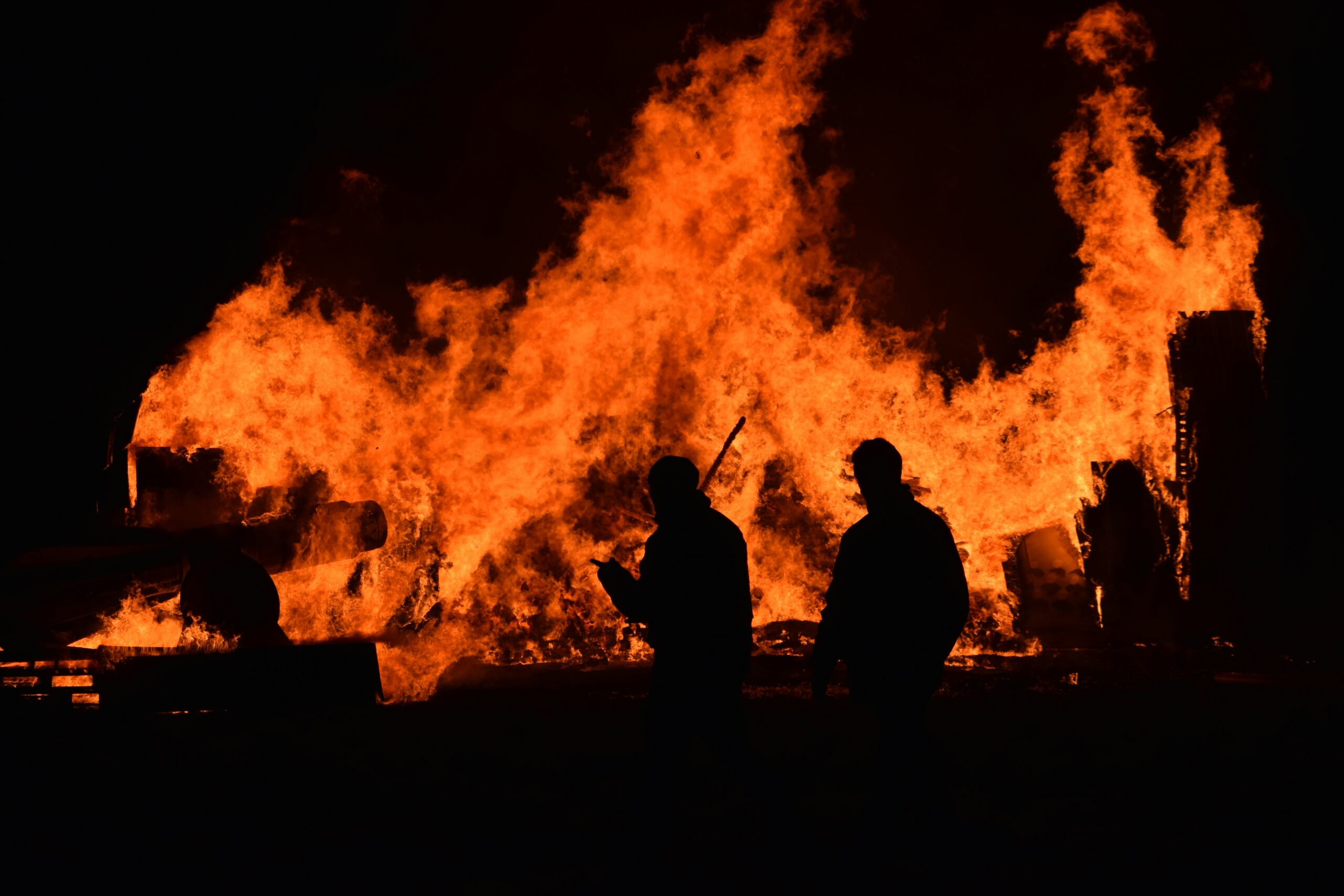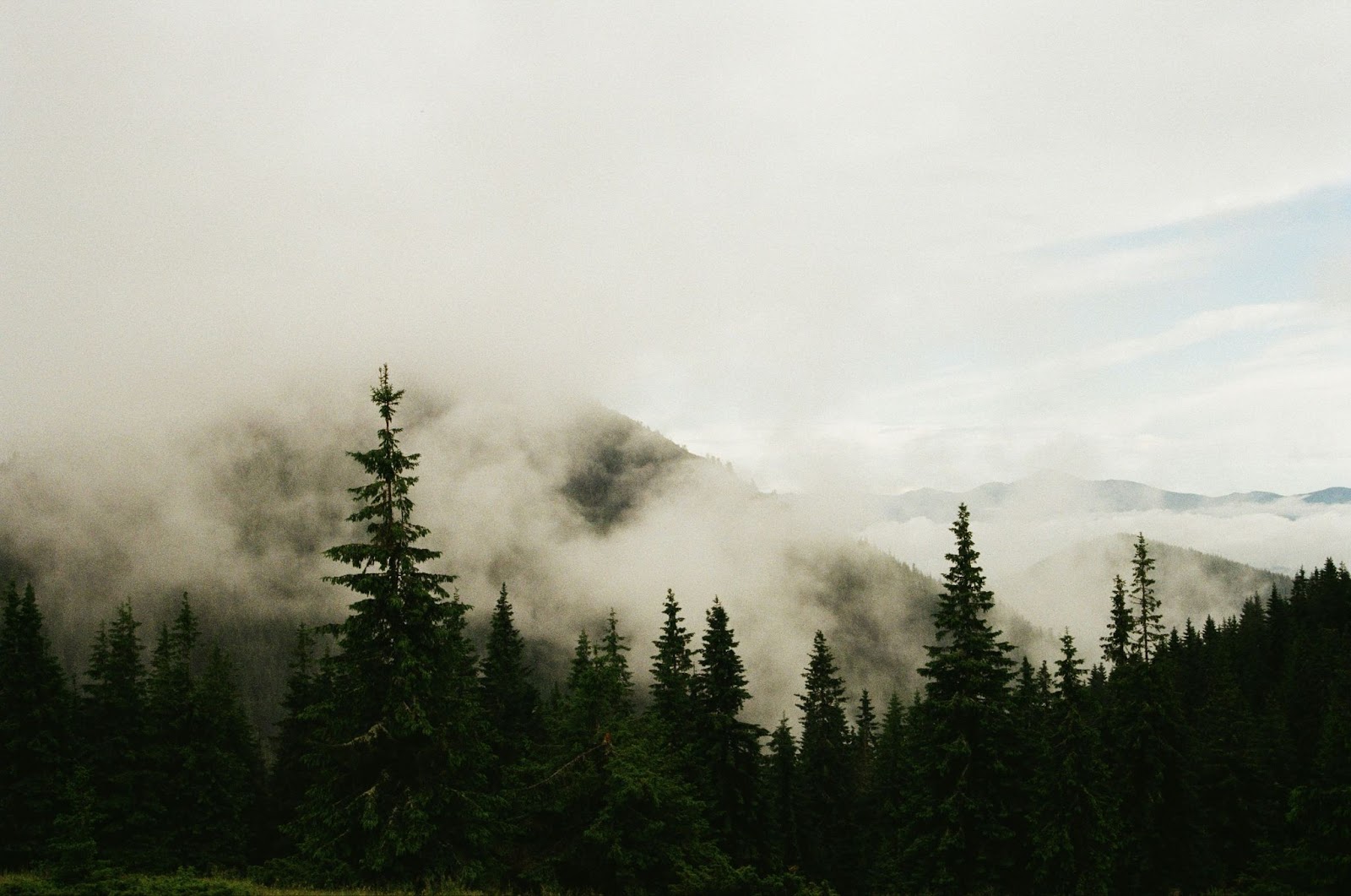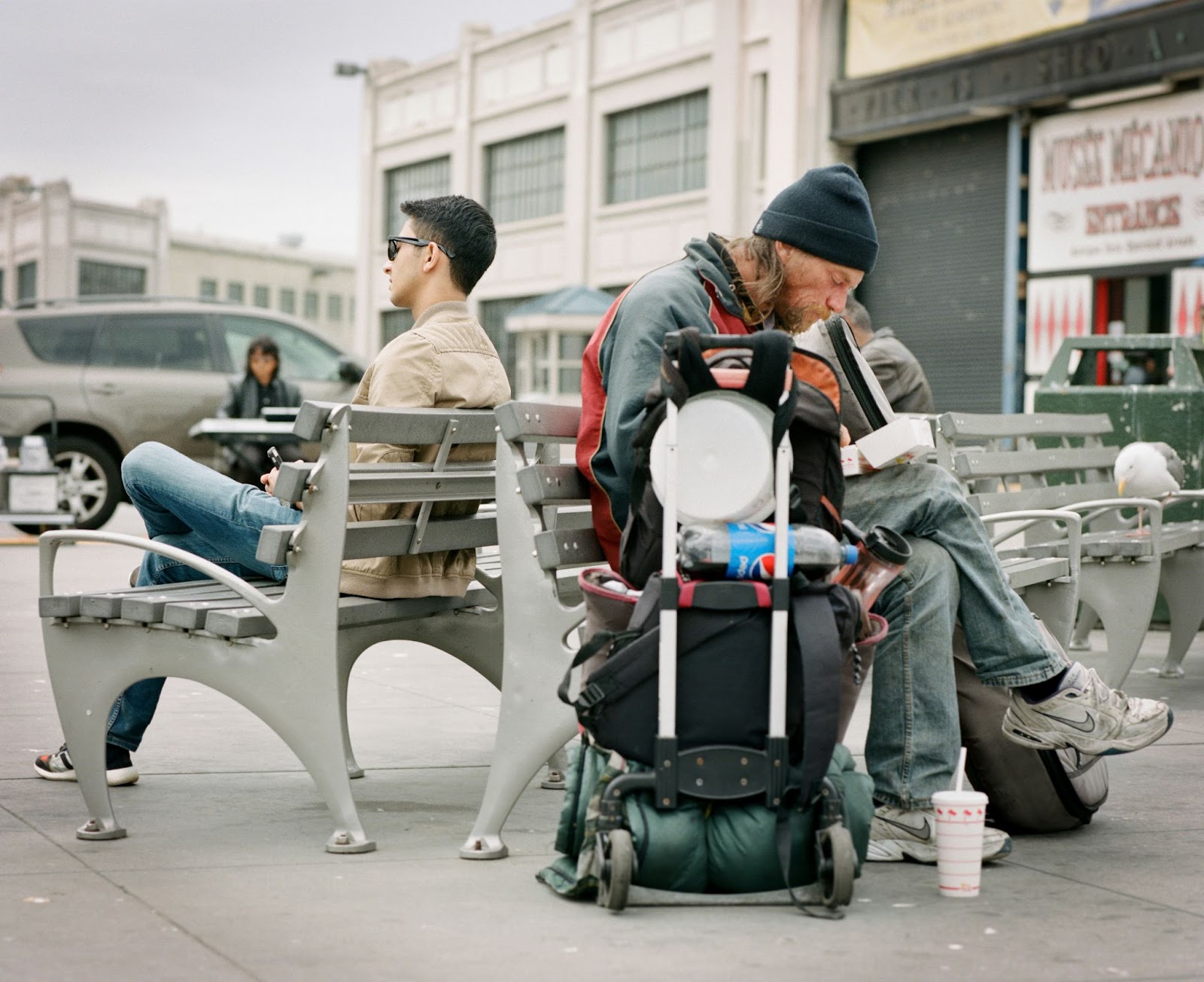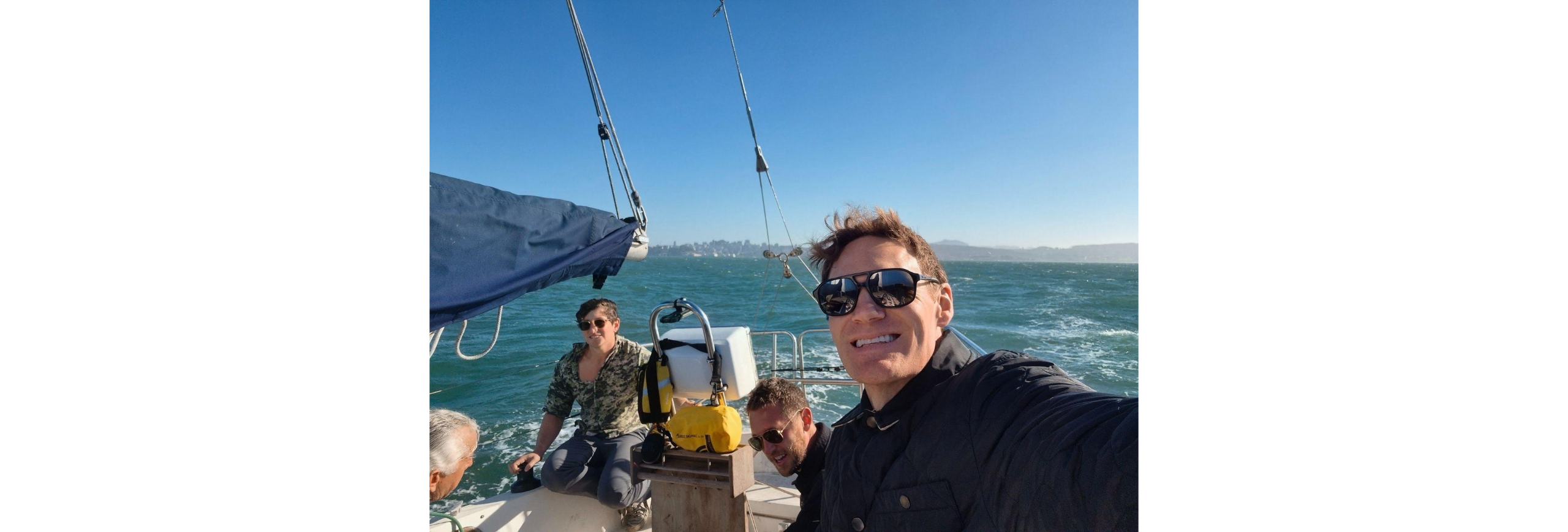

Image credit: Teddy Teece
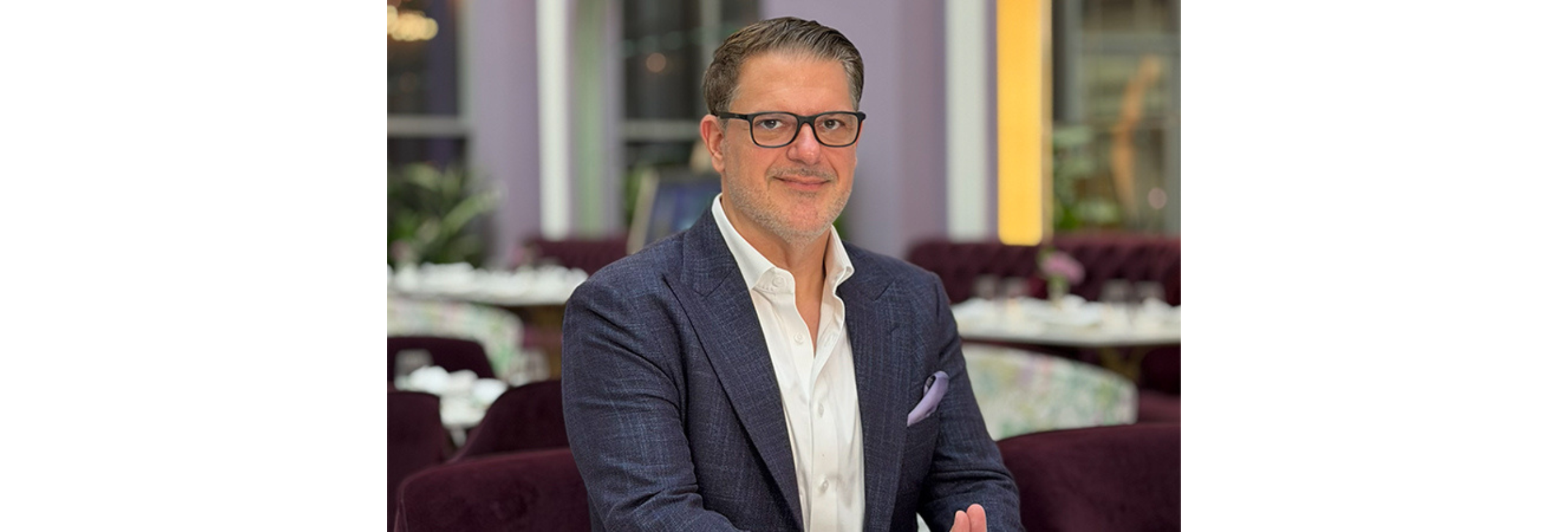
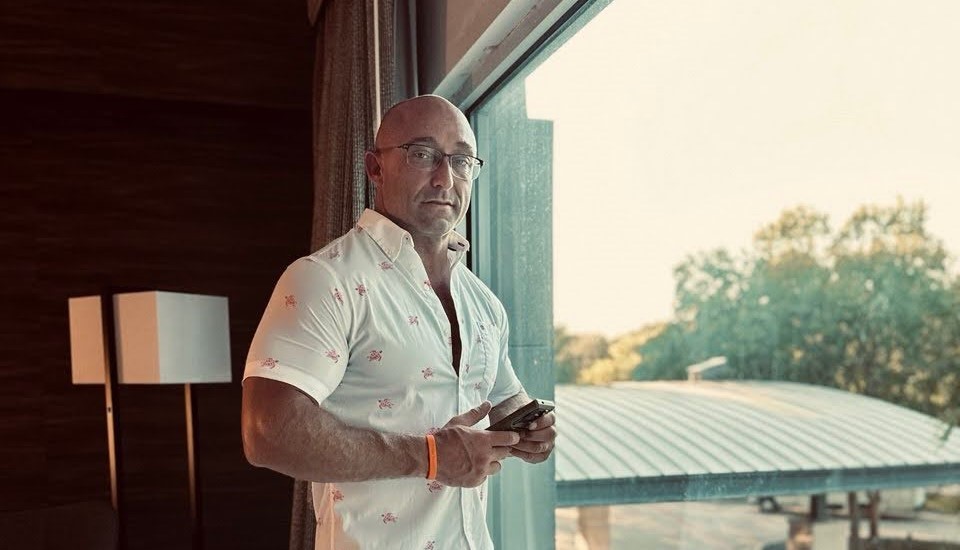
About Teddy Teece, Managing Partner of Kea Capital Partners
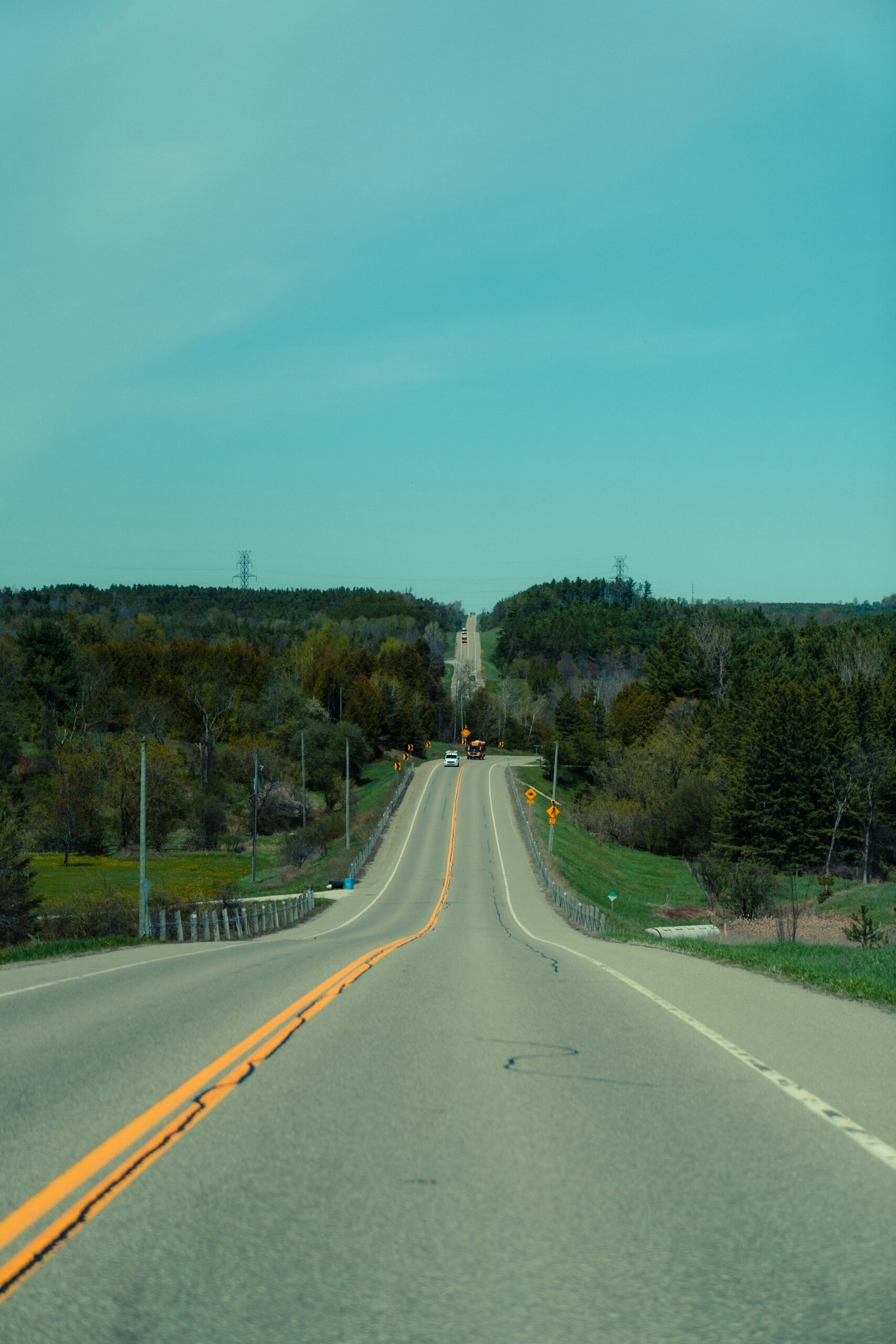
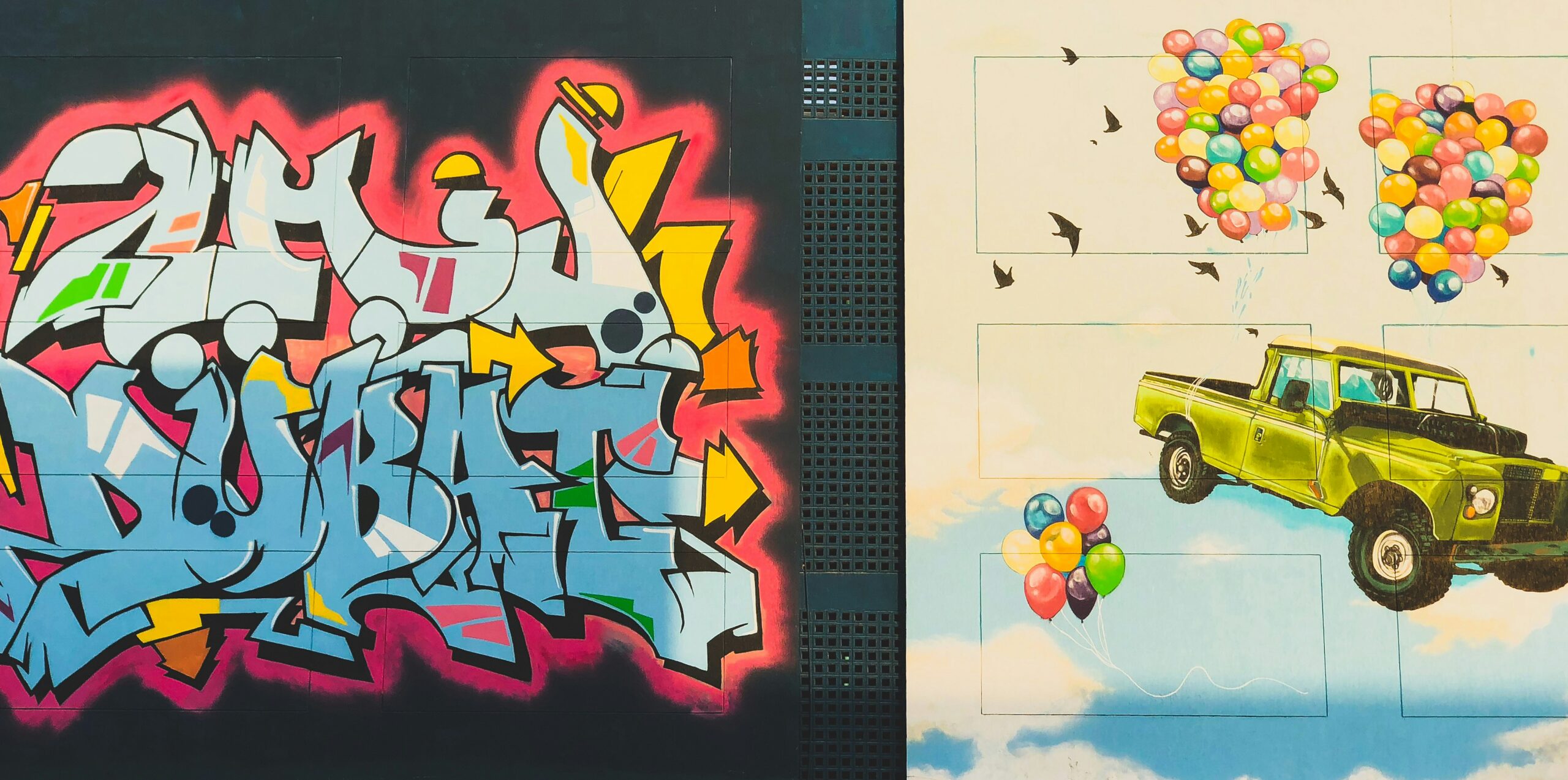
When Teddy Teece and his family first began traveling to and from New Zealand in the nineties, hardly anyone back in the states recognized where they’d come back from. Then, one day in 2001, Lord of the Rings hit cinemas; suddenly, this little island nation of fewer than five million people came into the public consciousness. For locals, Aotearoa had been a well kept, cherished secret, and some weren’t too excited for word to have gotten out. Others realized that greater awareness via the LOTR trilogy would be a good thing in the long run – not only for the economy, but for the travellers, who’d have a chance to experience a different culture. Some came for the scenery and stayed for the people – for the sense of peacefulness and safety and easefulness that’s nearly impossible to find anywhere else in the world. To this day, droves of tourists land in Auckland every day throughout the Summer months (Winter in the Northern Hemisphere), get on tour buses and head straight to Hobbiton. Teddy Teece, while a fan of Tolkien’s legendary trilogy, still hasn’t been. For him and his family, there are more quintessentially kiwi things to be done ‘down South,’ most of which are weather dependent and leave little room for dilly dallying: motorbiking through the alps, offroading across treacherous windy one lane roads in repurposed WWII vehicles, while eating real fruit ice cream and meat pies along the way. The family’s obsession with motorized transit in every variety – boating, ATVs, rally cars, and so on – wasn’t derived from a need for speed but rather a need to see how long we can keep something going and how pristine we can keep it along the way. Unimogs, Willy’s Jeeps, Land Rovers, and a 1940s Wolseley have been loved, driven, and maintained for over fifty years. There’s a certain, ineffable pride we get from keeping something that should be long dead living and functioning, forcing the faster moving generations to learn how to take the long way ‘round. The vastness and ease of access to remote, hair-raising surroundings was simply unattainable elsewhere, which is just one of many reasons we all have kept coming back.
Between sojourns down under, boarding schools, then Ivy League universities, combined with a ferocious work ethic to put six-figure, stable salaries in the offing – but Teece has charted a somewhat less traditional or predictable course: what he’d learned in New Zealand was that a little extra risk and being bold could yield something far more fulfilling and enduring than being a cog in the machine. How much risk to take one was something he’d learned offroading and riding – he learned that, to find the line, you have to cross over it, dust yourself off, and go at it again. The real risk is, if you don’t see the line as you’re crossing over it, and wind up like Wil-E-Coyote half a mile off the end of a cliff. That’s happened once, and he learned more from that experience than anything else in his life – and will be writing more about that in the future.
For now, let’s let Churchill bring us back to stable ground when he said, “the definition of success is moving from failure to failure with no loss of enthusiasm.” If so, the extent to which Teece has succeeded or will succeed is contingent on a preternatural ability to remain optimistic and indeed, enthusiastic, especially when it’s hard and there’s no end to the hardship in sight. All in all, the corporate, salaried world did not suit his risk appetite, nor the spirit of learning and growth that those early trans-pacific adventures inculcated.
Bear in mind, we’re not talking about out of reach aristocratic undertakings; no, the average bogan could and has done most of what his family traveled thousands of miles across the Pacific to do – but, somehow, that was the antidote to the fast paced pressure cookers he otherwise found himself sur-thriving. To this day, he credits those early life experiences for instilling grit, resilience, and a thirst for adventure – and now, tempered with time and the wisdom of enough at-bats (cricket or baseball), to know that planning for the worst case scenario is just as important as hoping for the best.
Two countries, two founding ideas
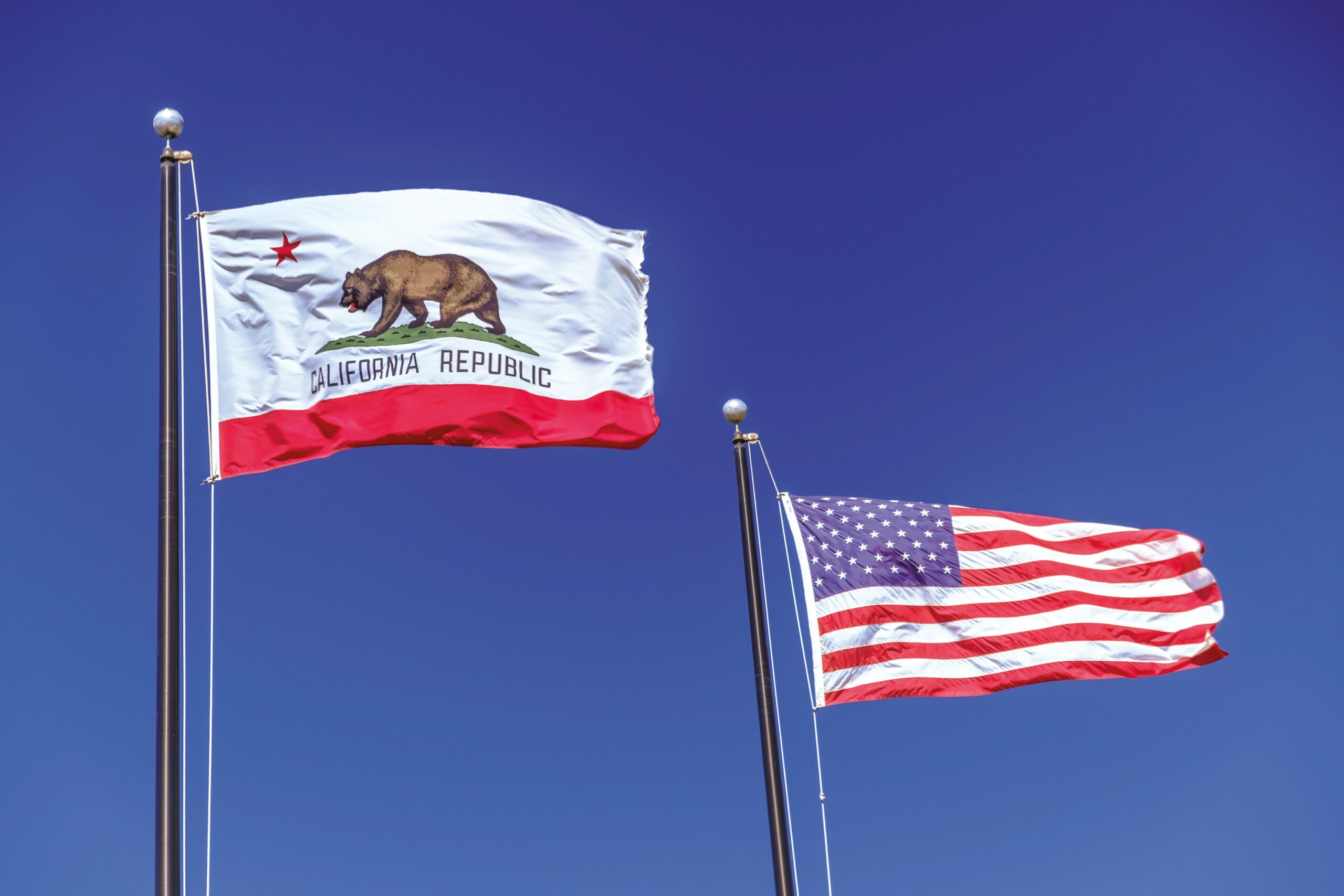

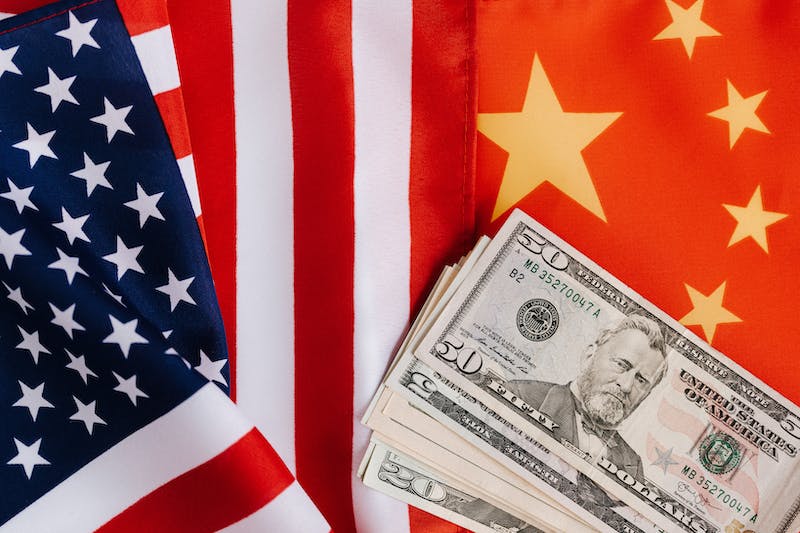
In Fairness and Freedom, the American historian David Hackett Fischer compares the two societies Teece grew up between, thanks to his father having emigrated to the US in the 80s. Fischer’s argument: America was built around liberty and freedom, and New Zealand around fairness. Both are open, democratic and prosperous. They just start from different questions. Teece’s own experience leads him to agree with that reading.
America asks: how far can you go? New Zealand asks: did everyone get a fair go?
Anyone who has lived in both will see value in asking on the extremes of both questions, and the optimal path or way – as the Buddhists can attest – is somewhere in the middle. In the States, the right to give it your all – and to win big (or lose it all) – is as sacred as the American dream from which such inalienable rights were born. In New Zealand, the instinct runs the other way: make sure nobody is left behind – and keep an eye on anyone who gets too big for their britches. New Zealand is the country that gave women the vote in 1893 and built a no-fault accident compensation scheme so an injury at work doesn’t ruin a family. It’s a country with public healthcare, extended maternity and paternity leaves, and all the other markers of a society where the government actually supports the general population of tax-paying citizens. Some would call these socialist policies – but the country itself remains as free (if not more free) than anywhere in the world – you just have to seek it out; it’s a reward for having the hutzpa to draw outside the lines – even though there may be more red tape than is needed, it really comes down to fairness – and the way it’s plumbed into the social infrastructure.
Both fairness and freedom are insufficient extremes in themselves; as such, a spectrum level perspective towards these two poles is optimal.
For instance, pure freedom without fairness leads to suffering for those who lack the means to acquire said freedom – because we can’t all have it all the time without someone footing the bill for our protection (see US defense spending); another way you’ve heard it: ‘freedom ‘aint free,’ and that’s true.
Fairness, by contrast, is as much if not more so a concept than anything to be found in the natural order of things. It’s an idealistic term, but a necessary concept. We all know fairness is a privilege that’s given to some far more than others (the ultimate unfairness is the genetic lottery we all enter into before we are born): someone born into a ghetto isn’t starting with the same degrees of freedom as someone born into the suburbs. The former is a lot more likely to entrench and constraint and confine – and a bit more fairness for, which yields attunement to, those who’ve only ever known survival would mean a more cohesive, connected, and happy society.
We can only ignore the suffering of others for so long, before we become dissociated and detached. To care for only one’s family, friends and tribe without attention to others who live in the same system means to harden and to get cold, and frosty people tend to not be very enjoyable to be around, nor do they act nobly when it counts. Fortunately, PTSD hasn’t infiltrated New Zealand, to anywhere near the degree it’s suffused the US. Why?
Partly, because it’s too darn small to dissociate from the suffering of others. When it’s there, it’s right there, and to ignore it would require sailing out to sea (literally). Meanwhile, the capitalist system encourages transactionality and is inextricably linked to a value system we have lost (see: The Protestant Ethic and The Spirit of Capitalism), and it’s going to ultimately lead to revolution if we don’t find a new moral compass – and there have been no bloodless revolutions.
What has trickled down through the layers of American social strata has involved as much tsuris – an opioid epidemic, a mental health crisis, an obesity epidemic, political violence – as capital; in NZ, wealth disparity isn’t as pronounced, nor is it as visible, and as such there is less animosity and strife between socio-economic classes. For Teece, that’s appealing – the playing field is more level, people are less covetous and materialistic, and, generally speaking, we still take care of each other. Kiwi hospitality is similar to southern hospitality, only we’ve got different accents and fewer biases.
At the same time, fairness without freedom has its costs: the tall poppy gets cut, ambition gets side-eyed, and good businesses stay small because growing them feels like showing off, or extra work, or because there just isn’t the capital around to back growth and risktaking to the extent we have the talent and appetite for. And so, the people who want to go big often go to Sydney, London, or the States – at least for a while; then they think of or have kids and realize wow, you know what, all that ambition isn’t really that important, especially when it comes to the next generation and their development.
The best of both
So what does the best of both look like? Teece’s working answer:
- American nerve <> Kiwi humanism: The willingness to build something ambitious – paired with a genuine caring and respect for other people.
- White-collar aesthetic <> blue-collar work ethic and respect. Systems, software and finance in service of the trade, not a replacement for it.
- Speed <> Patience. America moves fast (and burns out a lot). New Zealand moves slower, sometimes aggravatingly so – but in the end, we get where we’re going, with smiles all around and fewer bridges burned. A great business benefits from an ability to sprint with an orientation towards the marathon.
These are concepts that have informed and inspired Kea Capital Partners, which backs the essential, unglamorous and reliable businesses that keep New Zealand running. Our vision is bigger than one firm, just as our heritage extends beyond one continent, one hemisphere, or one generation.
Written in partnership with Tom White