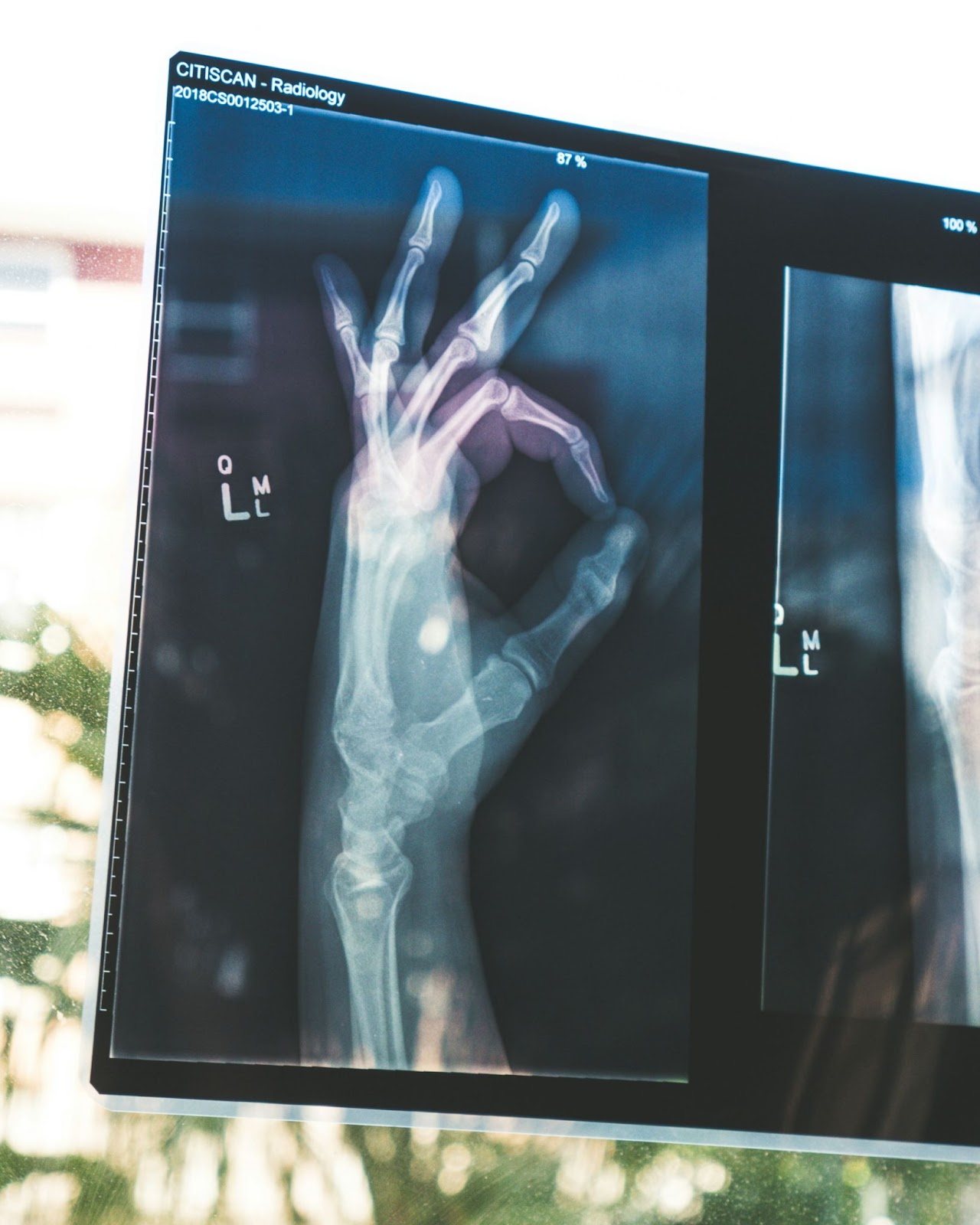

Personal injury law covers many types of negligence-based injuries, from unsafe work environments to defective products.
People often assume personal injury lawyers only handle car accident cases, but that is just one category. Personal injury law covers cases where another party’s negligence allegedly injures someone. Serious injuries can occur in many places, and a business, person, property owner, or manufacturer may be accused of acting recklessly.
The circumstances around the injury determine whether the victim has a case. After an injury, an individual may seek representation by searching online for ‘personal injury lawyer Los Angeles.’
What Does A Personal Injury Lawyer Actually Handle?
A personal injury lawyer takes on cases where someone has been injured allegedly because of another party’s actions or failure to act responsibly. The lawyer and their team investigate what happened, identify the responsible parties, gather evidence, review medical records and financial losses, and handle insurance issues and civil claims.
Personal injury cases are civil matters, not criminal prosecutions. A criminal case focuses on whether someone violated the law, while a personal injury claim focuses on whether an injured person can receive compensation for their losses. Not all injuries have a viable legal claim, and a personal injury lawyer can review the facts to determine whether one does.
Personal Injury Cases Go Beyond Car Accidents
Among the different kinds of accidents that can lead to personal injury claims are slip-and-fall or premises-related accidents, pedestrian and bicycle accidents, transportation-related accidents, workplace injuries, medical malpractice, defective or dangerous products, animal-related injuries, and wrongful death.
According to the U.S. Bureau of Labor Statistics, in 2024, private industry employers reported 2.5 million nonfatal workplace injuries and illnesses, while California reported approximately 344,500 in total. Workplace injuries and illnesses can occur if conditions aren’t safe for workers. For example, environmental heat exposure caused 43 workplace deaths in 2022.
Negligence occurs when someone fails to use reasonable care. Four basic concepts define what this entails:
- Duty of care: An entity has a responsibility to act reasonably.
- Breach: They failed to do so.
- Causation: That failure is the cause of the injury.
- Damages: The injured party has legally recognized harm or losses.
Liability depends on the facts of the case. Evidence, the accident location, and the law are all factored in. Again, just because an accident happened doesn’t mean there was negligence. A personal injury lawyer can review the facts to see if there is a case under the law.
When to Speak With a Personal Injury Lawyer
A victim in an accident may want to consider seeking out legal guidance if their injuries are serious and/or long-term, medical treatment is ongoing, fault is disputed, multiple parties might be responsible, or the insurance company is undervaluing the claim or disputing it. Since legal claims can have filing deadlines, it may be in a person’s best interests to find a personal injury lawyer soon after the injury instead of attempting to handle the case themselves.
Procedural rules and deadlines can also change depending on the state, type of claim, and the parties involved. Laws vary from state to state.
FAQ About Personal Injury Lawyers
Are personal injury lawyers only for car accidents?
Personal injury lawyers handle many different types of injury claims. They review the evidence to determine whether negligence is involved and who is responsible. The laws dictate whether an injured person is eligible for compensation.
What are the most common types of personal injury cases?
Motor vehicle accidents, slip-and-fall incidents, workplace-related injuries, medical malpractice, defective products, and other accidents that are the result of alleged negligence.
How do you know if you have a personal injury claim?
A lawyer can review the case and decide if it fits the legal requirements. Liability is considered, and whether compensable damages are involved. Deadlines must also be met.
Written in partnership with Tom White