
How AI tools are helping nonprofits to better organize, plan out, and execute new courses of action when it comes to acquiring funding from major donors.
For the past several years, as AI’s integration has steadily grown within numerous industries, much of the conversation has been dominated by its use in large companies. However, an aspect of AI tools that often gets overlooked is how they can now be utilized to help underserved or underfunded areas, such as nonprofit organizations.
Recently, nonprofit fundraisers have been put under an immense level of pressure, with first-time donor retention now sitting at a minuscule 19%. This figure has been consistently declining since 2024, making it all the more difficult for nonprofits to secure regular funding, meaning they have to invest more time and effort into finding new potential donors on a regular basis. However, it appears as though a new wave of AI tools is changing all of that, helping development teams identify high-value prospects, time their outreach, and retain the donors they already have in a much more effective fashion.
Predicting Who Will Give
Salvatore Salpietro, head of Dataro, an AI fundraising platform, notes that AI platforms now analyze behavioral signals in palpable ways. “Dataro will analyze an entire set of data from a nonprofit. Each donor in their database will get a prediction about how likely they are to do something; one of 16 generosity outcomes.”
With factors like email open rates, direct-mail response history, and geographic data utilized, these platforms can predict how likely any given donor is to give, upgrade, or churn. As Salpietro says, “It’s about empowering nonprofits to make the right ask of the right donor.”
Through the use of a platform like Dataro, Bristol and Weston Hospitals Charity raised nearly $500,000 while mailing 8,000 fewer fundraising packets, cutting costs while growing revenue. “We’re saying do less, but do it with the right donor. If you can tell me who’s most likely to get that piece of mail and put it in the garbage can, I can take them off the list. They weren’t going to give anyway,” Salpietro surmises.
Unlocking Hidden Prospects in Healthcare Databases
Jason Heisler, head of marketing at London Automation, a company that was founded by ex-Cleveland Clinic fundraisers and built a HIPAA-compliant platform that compiled data from multiple medical sources, details how these tools can more effectively tap into existing datasets. “Hospitals have just a data deluge, as we like to call it, massive amounts of data from a bunch of disparate, disconnected sources.”
For hospital foundations and healthcare fundraisers, the challenge is different: donor potential is buried inside disconnected CRM and electronic health record systems. “What we’re able to do is connect their disparate sources together in order to give them a complete, unified view of all the patients that have gone through their hospital,” Heisler says.
London Automation scores patients based on their “window of gratitude” post-care, and surfaces major gift prospects that were previously invisible. The platform identified 1,400 new planned giving prospects for one partner and helped close a $250,000 major gift after a single visit. As Heisler says, “We want our partners and our fundraisers capturing that window of gratitude. When a patient goes to a hospital and has received care, there’s a period of time where a patient or a potential donor is at their most grateful.”
Boosting First-Time Donor Retention with Handwritten Letters at Scale
James Schutrop, head of Scribe Handwritten, believes in the value of the human touch, but notes that AI tools can help make those human connections even more rewarding. “Only 19% of first-time donors ever donate again, and quarter over quarter since 2024, we’ve been seeing that the donor drop-off rate has been consistently declining,” Schutrop notes.
However, a recent DonorChoose case study found that a handwritten thank-you sent within 30 days of a first gift boosts donor retention substantially. Schutrop elaborates, “For nonprofits that send a handwritten letter to a first-time donor within the first 30 days of their donation, it increased that retention rate by 39%. You go from keeping one out of five donors to three out of five.”
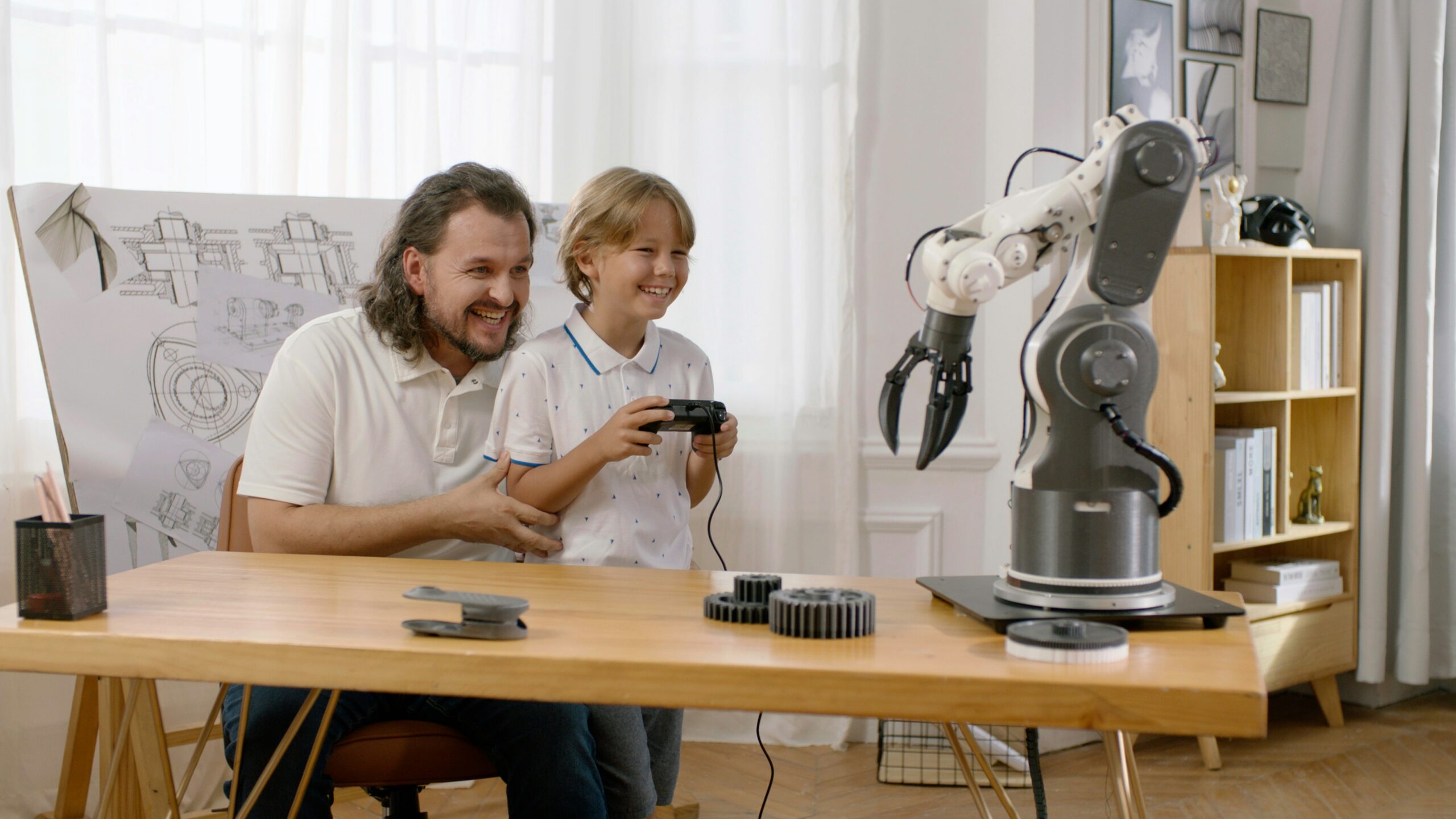
Scribe Handwritten automates that process using 40-plus robots that write 22 hours a day with real ballpoint pens, varied character shapes, and pressure indentation: letters that handwriting experts cannot distinguish from those written by hand. The company integrates directly with nonprofit CRMs to trigger personalized letters automatically upon receipt of a donation. “We use a real ballpoint pen because it even leaves these little gaps in the ink and better pressure indentation. The robots vary each individual character thousands of times, so there’s no way you can tell this was not written by a person,” Schutrop concludes.
Final Thoughts
AI does not replace fundraisers; instead, it provides them with better information and more time to focus on building relationships. Whether it’s predicting donor behavior, uncovering hidden prospects, or automating personalized interactions, these tools enable nonprofits to maximize their existing resources.