
Image credit: Pexels
As AI-generated actors blend reality with fiction, businesses are rethinking creativity, cost, and authenticity in the digital age.
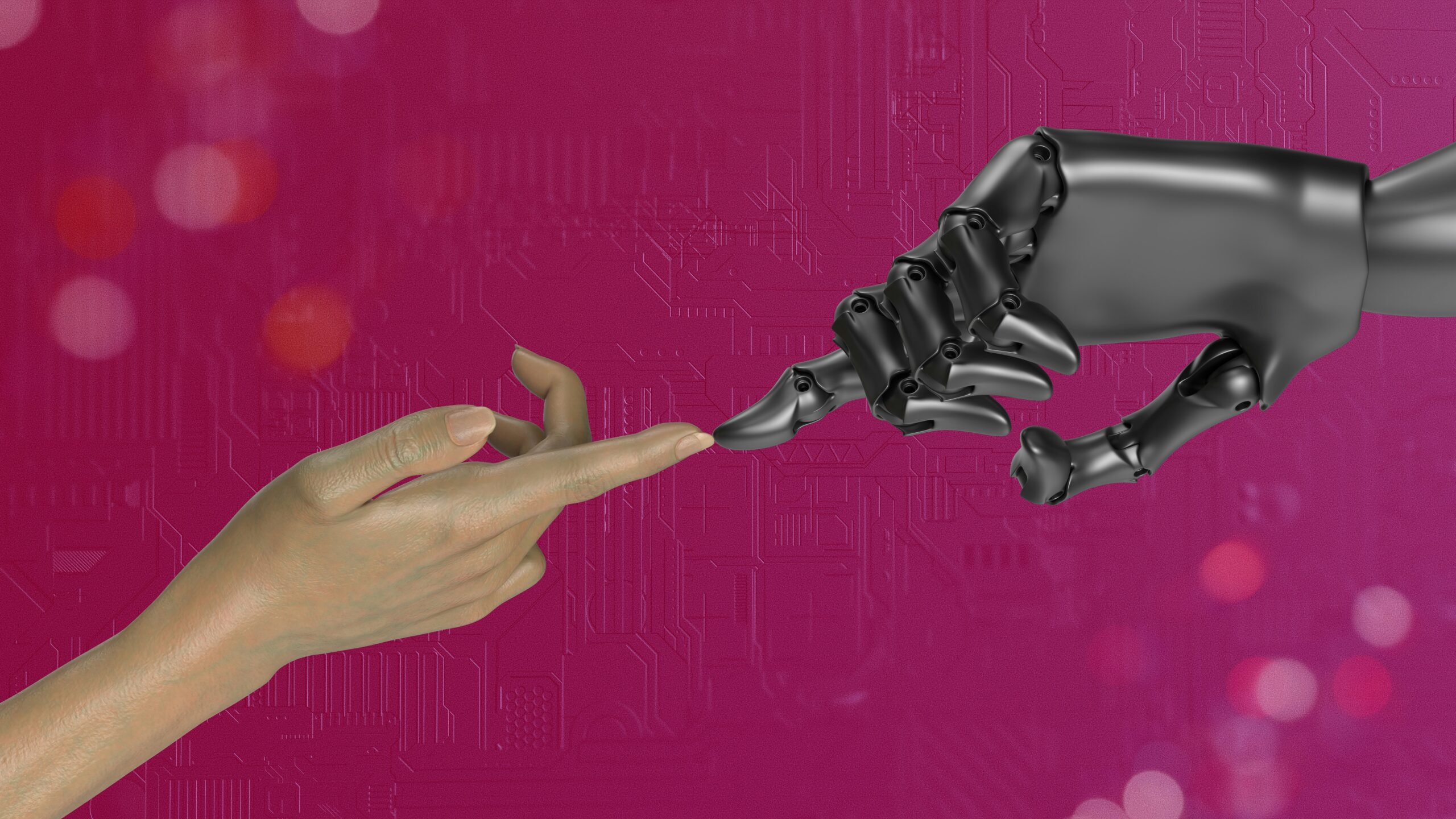
Synthetic actors, or AI-generated digital personas, are storming the advertising and entertainment industries today. Specifically designed for commercials, films, and branded content, these synthetic personas are swiftly moving from novelty to mainstream entertainment. Their popularity reflects a growing preference for automation in creative industries.
Brands are embracing AI-generated characters for their ability to deliver consistent, customizable, and scalable talent without the logistical constraints of human performers. As campaigns demand greater global adaptability, synthetic actors offer an efficient solution that aligns with evolving production needs.
Speed vs. Authenticity: The Core Tension
The true power of synthetic actors lies in their efficiency. They enable faster production cycles, enable rapid iteration, and support scalable creative testing across multiple markets. Earlier ad campaigns took weeks to be executed, but now they can be produced and modified in a fraction of the time. However, this speed compromises authenticity.
Audiences are becoming increasingly sensitive to artificial content. If synthetic actors are perceived as deceptive or overly artificial, brands risk eroding trust. The challenge, at present, is not just technical execution but emotional credibility to ensure the content resonates with the target audience.
The Trust Imperative in AI-Driven Advertising
If efficiency is the engine behind synthetic actors, trust is the constraint.
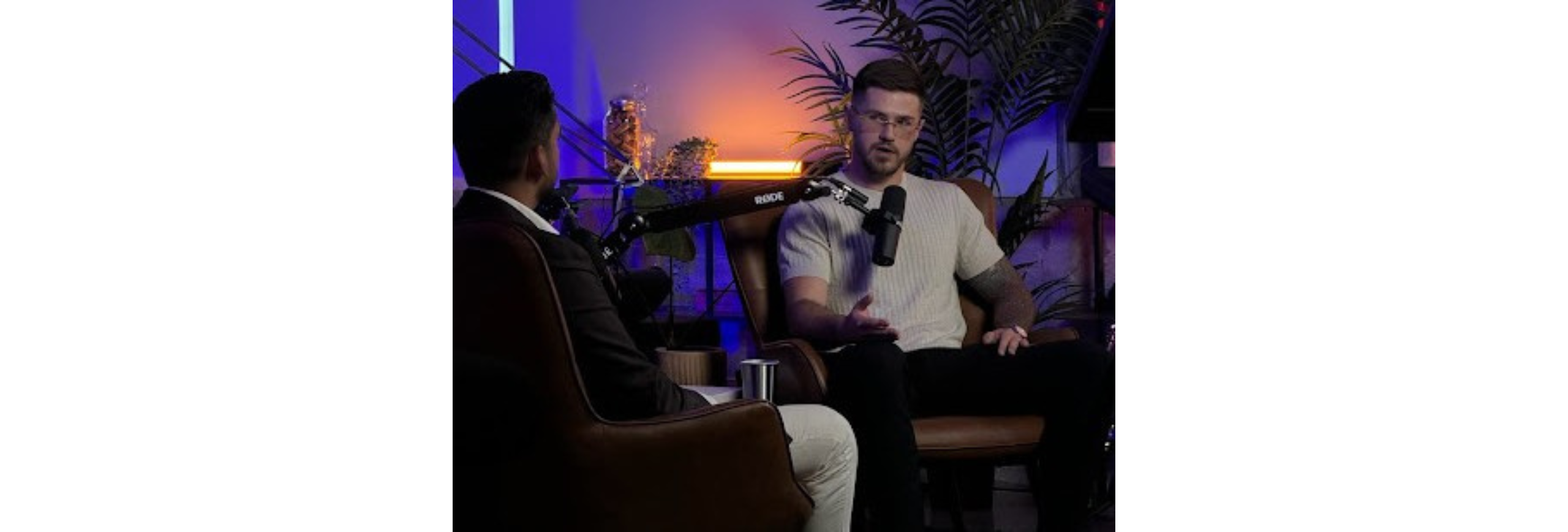
Max Rosen, Creative Technology Specialist at Adskate, frames synthetic actors not as a breakthrough in isolation, but as one variable within a much larger system of creative performance.
The presence of a synthetic actor does not determine success on its own. It interacts with messaging, targeting, visual composition, and audience perception. Rosen illustrates, “An ad is effective for a lot of reasons. It could be targeting, it could be the colors. An actor is one of those things.”
Synthetic actors introduce both flexibility and fragility. Rosen warns that the moment audiences feel misled, performance can shift. “If your audience sees something they like, they’re more likely to buy it if they actually do connect with it. And that interest can definitely dip if audiences feel misled.”
That makes transparency less of an ethical preference and more of a performance strategy. “I think just generally being upfront is important,” Rosen says.
The challenge is not whether to disclose, but how. Overemphasis may reduce conversion, and underemphasis may erode trust. “If it’s hidden, that can harm the brand trust… but if it’s really upfront, brands might think it harms effectiveness,” Rosen explains. This creates a narrow path for brands to navigate. The wrong framing does not just affect perception, but also outcomes.
There’s also a deeper issue emerging as synthetic content becomes harder to detect. “Sometimes you don’t know if it is synthetic or it isn’t. And that can make people believe things that may or may not have happened,” Rosen says. In that environment, trust becomes cumulative. It is built over repeated interactions, not single impressions.
In practice, that means understanding what actually drives performance. Synthetic actors can increase output, but without clarity on what makes an ad effective, more content does not translate into better results.
Measuring What Works: The Future of Creative Optimization
Synthetic actors are also changing how success in any campaign is evaluated. Traditional A/B testing has transformed into a more sophisticated multivariate testing, where multiple elements such as visuals, messaging, and performance styles are analyzed simultaneously.
Instead of identifying which ad performs best, marketers are now focusing on understanding which specific elements drive engagement. This granular approach allows continuous optimization, ensuring that synthetic content delivers measurable results.
The Economics of AI Production
One of the most significant drivers behind synthetic actors is not novelty, but economics. What once required full crews, travel, casting, and weeks of coordination is now being compressed into smaller, faster, AI-assisted workflows.
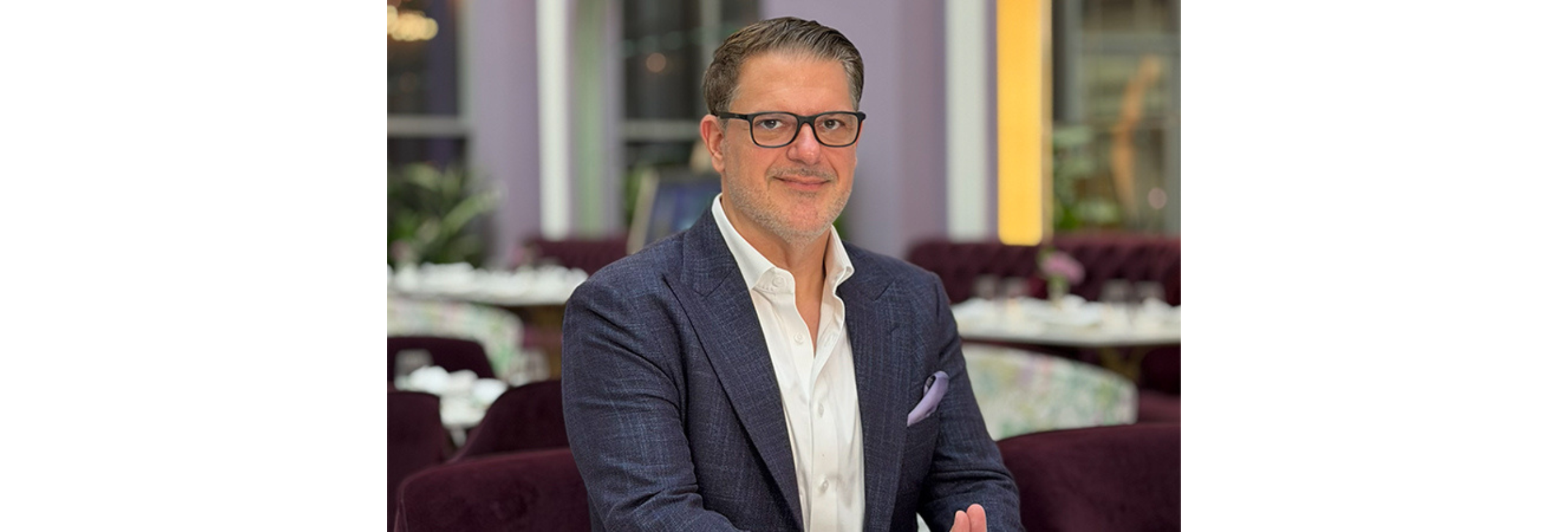
Jeff Bradshaw, Co-founder of Framesmiths, has seen this shift firsthand after spending three decades in traditional production. His decision to pivot was not speculative. “I just saw where the technology was going, and I knew that if I stuck at it for too long, the technology would start to take over,” he recalls. That realization led him to sell his production company and fully commit to AI-driven production.
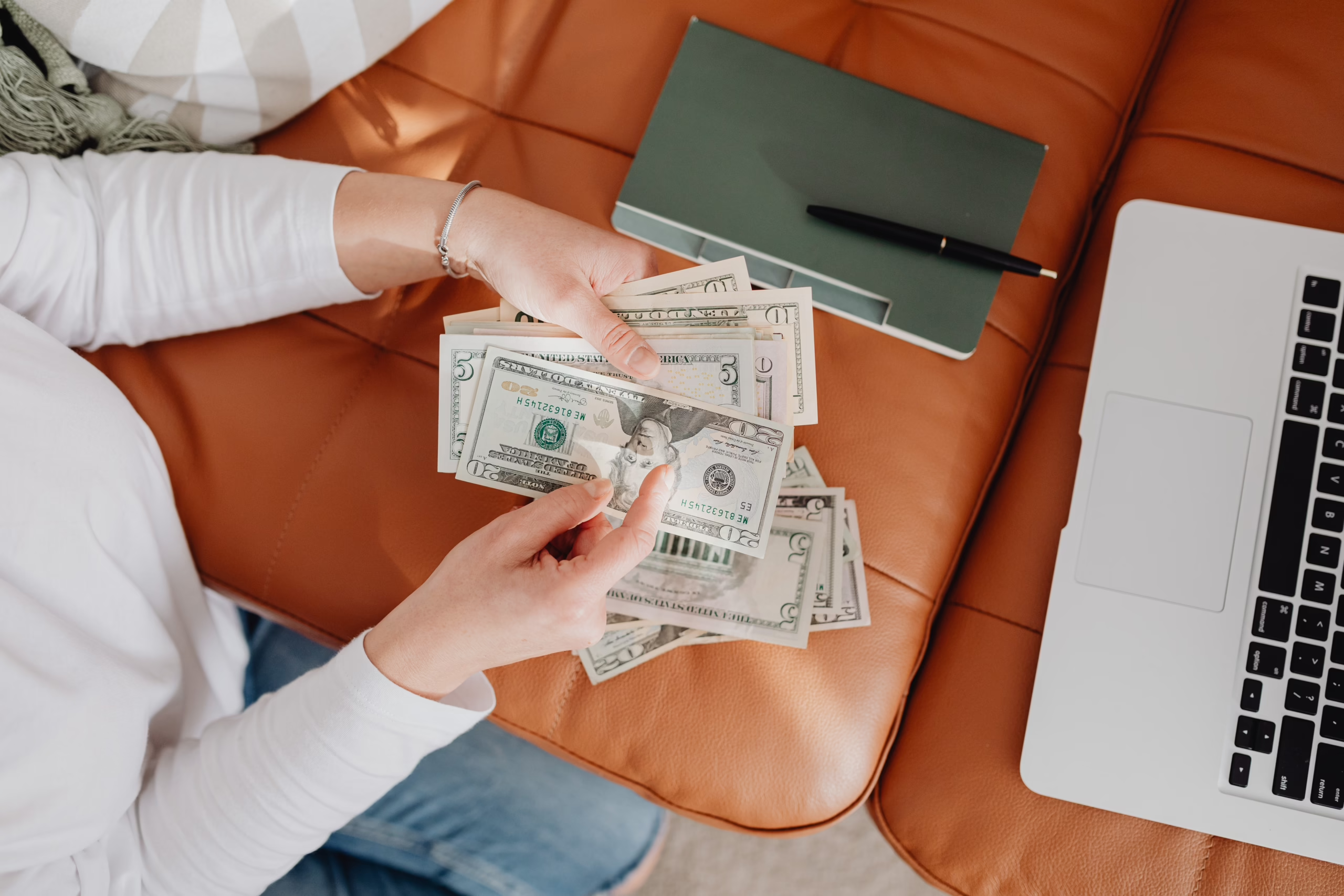
Immediately, Bradshaw’s team saw a structural cost reset. By streamlining workflows, they are delivering high-quality outputs at a fraction of the traditional cost. He illustrates, “Clients that would have gone to a traditional production company probably would see costs of about $300,000 to $400,000. We’re able to do the exact same spots for about 25% of that cost.”
The financial pressure is already reshaping decision-making across agencies and studios. Bradshaw points to a familiar pattern seen in past technological shifts. At the same time, the cost advantage is not simply about saving money, but about reallocating it. “They’re not spending any less. They’re just getting more content.”
There is an apparent change in the economics of volume. Campaigns that once required prioritization can now expand in scope, frequency, and experimentation. But Bradshaw does not ignore the broader consequences. The same efficiency that unlocks production also raises uncomfortable questions about displacement. “We can generate images, and we don’t need a 30-person crew. We can do it with two people prompting behind the computer.”
The tension sits at the center of the transition. Lower costs, faster output, and scalable production on one side. Workforce disruption and industry realignment on the other.
Industry Transformation and Workforce Impact
The growing dependency on synthetic actors raises an important question about the future of creative work. While automation has historically displaced certain roles, it has also created new opportunities. The current shift mirrors past technological disruptions, where adaptation proved essential.
A hybrid model is emerging that combines human creativity with AI-driven efficiency. In this framework, human input remains critical for storytelling, strategy, and emotional nuance, while AI handles execution and scalability.
Content Saturation and the Need for Differentiation
As barriers to production fall, the volume of content is set to increase significantly. The result will be a crowded digital landscape where standing out becomes more challenging. In this environment, differentiation will depend less on production scale and more on storytelling quality and analytical precision.
Brands that can effectively integrate creative insight with data-driven strategies will stand a better chance of capturing audience attention, even in a saturated market.
The Future of Synthetic Media
The rising use of synthetic actors marks a transformational phase in advertising and entertainment. While the technology offers undeniable advantages, its long-term success will depend on how responsibly it is implemented. Trust, transparency, and robust measurement frameworks will define the next phase of growth. As the relationship between human and synthetic creativity continues to evolve, the industry is beginning to embrace innovation without sacrificing authenticity.