
Image credit: Pixabay
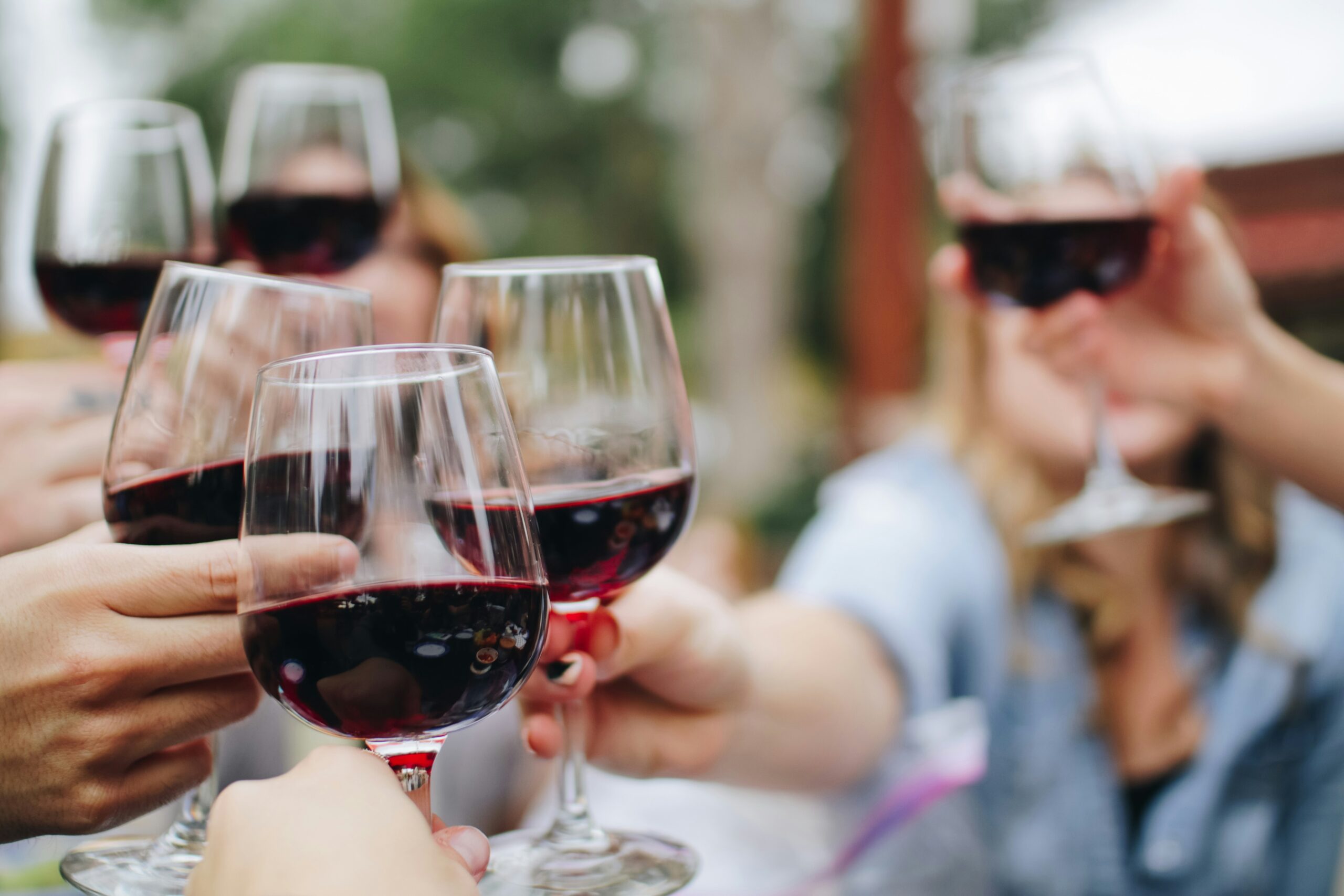
Wine purchasing maintained its established rules for decades. The combination of critics’ scores and sommeliers’ recommendations, along with shelf displays and limited consumer data, determined which products customers would add to their shopping carts. The system delivered effective results for experienced buyers, but it created difficulties for casual drinkers who had to rely on their understanding of brands rather than their actual preferences.
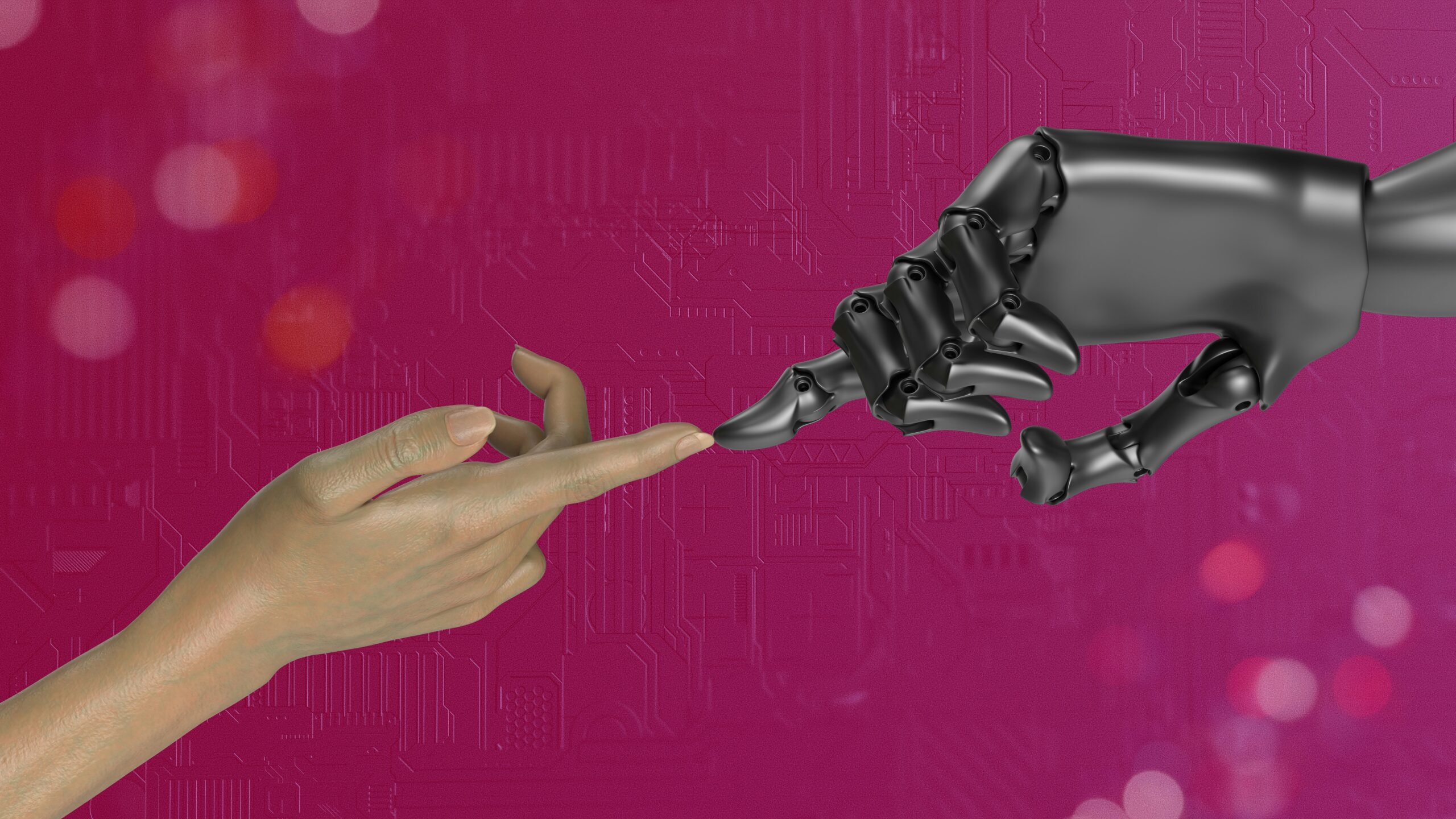
A broader shift toward AI-driven personalization across retail is now challenging that model. From fashion to food delivery, data-led systems increasingly tailor products to individual preferences. Wine, with its deeply subjective taste profiles, long production cycles, and reliance on storytelling, sits at a particularly interesting crossroads for transformation.
From Guesswork to Granular Data: Personalized Palate Matching
Artificial intelligence is transforming the process of understanding preferences. AI systems can analyze specific taste indicators, including chocolate and cherry flavor preferences, tannin limits, and sweetness preferences, rather than relying on general taste categories. The systems analyze vast amounts of consumer behavior data to uncover patterns that human analysts would never discover.
The shift creates a new market opportunity for most buyers who previously faced obstacles in purchasing products. Wine has developed an exclusive reputation, leading people to believe that only experts can understand its value. The recommendation system creates personalized experiences through data-driven methods that identify user preferences rather than relying on established educational criteria. The wine industry becomes more accessible to everyone because consumers with wine knowledge no longer depend on a small group of experts to guide their decisions.
Reducing Friction: Building Buyer Confidence
Traditional wine retail has well-known drop-off points, such as label overload, limited education, and the fear of making an incorrect choice. AI addresses these frictions by making recommendations feel intuitive rather than instructional.
Predictive modeling can also anticipate future buying trends, drawing on social signals, past purchases, and shifting demographics.
By translating complex information into simple, relevant suggestions, AI helps casual drinkers move from hesitation to confidence. The buying process becomes less about decoding terminology and more about discovering what aligns with personal taste.
Operational Transformation Beyond Recommendations
The impact of AI extends behind the scenes. Wine businesses increasingly use it for compliance automation, creative scaling, cohort-based marketing segmentation, and procurement planning based on predicted varietal demand. These capabilities matter in an industry constrained by harvest cycles and long lead times.
While AI cannot shorten the time it takes for grapes to grow, it can support smarter decisions around purchasing and production. Better forecasts reduce excess inventory and help align supply with evolving consumer demand.
Applying AI at Scale
One example is Full Glass Wine Co., which has consolidated multiple direct-to-consumer wine brands under a single umbrella. The company applies AI across recommendations, marketing messages, and even packaging experiences.
As CEO of Full Glass Wine Co., Neha Kumar puts it, “AI development is not linear, it’s exponential.”
By tailoring communication to distinct customer cohorts, the company has improved speed-to-market while maintaining relevance across brands.
The Future of Wine Buying
Looking ahead, AI-driven customization may extend to personalized unboxing, modified packaging elements, and community-led engagement. Label aesthetics, warehouse fulfillment, and logistics optimization are also likely to evolve as data systems mature. Alongside the excitement, the pace of change brings unease, particularly around how rapidly decision-making is being automated.
A More Inclusive Glass
Ultimately, AI is lowering barriers in a traditionally opaque market. By empowering consumers to explore wine on their own terms, technology shifts the industry away from gatekeeping and toward guided discovery. When applied thoughtfully, it can make an age-old product more accessible, more personal, and better aligned with how people actually choose what to drink.