
Image credit: Pexels
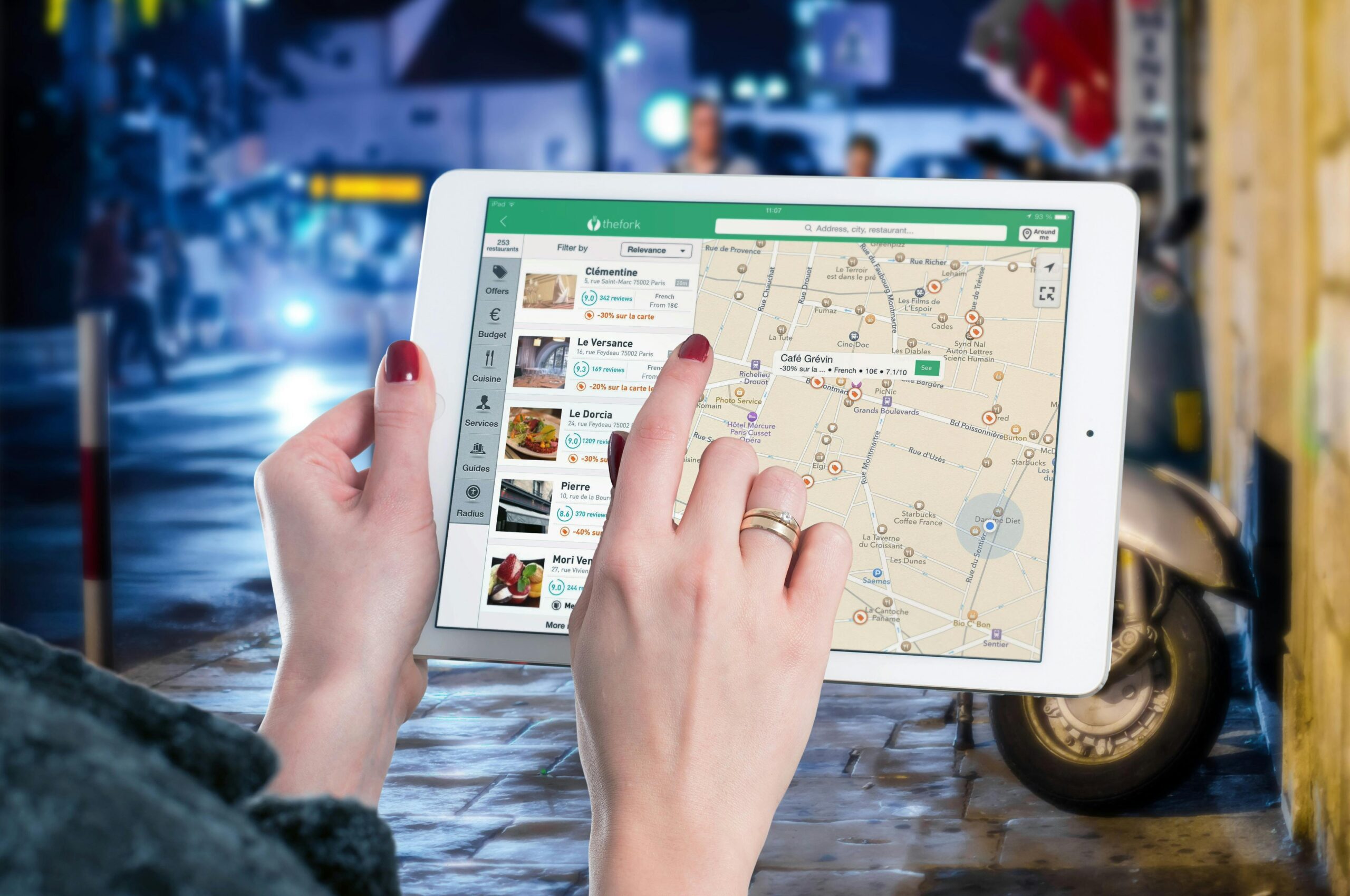
AI has removed friction from travel planning at an unprecedented pace. What once required hours of research now takes minutes. Routes, hotels, itineraries, and pricing comparisons are instantly available to anyone with a prompt. This has fueled an obvious question across the travel industry: if machines can plan trips, what role remains for human advisors?
The answer is not replacement, but repositioning. AI has not eliminated the need for expertise. Instead, it has exposed where expertise truly matters. The advisors who are thriving are leaning into judgment, context, emotional intelligence, and real-world accountability.
What is emerging is a hybrid model. AI handles the mechanical work. Humans handle the meaning, the nuance, and the moments when things go wrong. Across the industry, experienced professionals are not resisting AI. They are using it to strip away low-value tasks and reclaim the parts of travel planning that machines cannot replicate.
AI as a Workflow Tool, Not a Replacement
For many advisors, AI has become an invisible assistant rather than a visible disruptor. It accelerates organization, reduces administrative drag, and improves accuracy, particularly in complex itineraries with multiple moving parts. The value lies in freeing up time, not automating judgment.
Cindi Sanden, owner of Awaken Travels, has seen this shift firsthand. After more than a decade in the industry, she views AI as a tool that sharpens her service rather than diluting it. “AI helps me be more efficient and give a better level of service for my clients,” she explains.
That efficiency shows up in subtle but meaningful ways. Sanden uses AI to personalize communications, double-check logistics, and manage the operational complexity that can derail a trip if handled poorly. Flights, transfers, and schedules leave little margin for error, and AI acts as a second set of eyes rather than a decision-maker.
More importantly, automation has changed how time is allocated. Instead of spending hours formatting itineraries or rewriting emails, advisors are investing more deeply in client conversations. They are asking better questions, refining expectations, and designing experiences that reflect how people actually want to travel.
The result is a more intentional service: AI handles repetition. Humans handle relationships.
Where AI Falls Short on the Ground
Speed and scale are AI’s strengths. Real-time accuracy is not. Travel remains deeply local, seasonal, and situational, and that is where algorithmic tools still struggle.
This gap is especially clear in destinations shaped by festivals, weather cycles, and shifting regulations. Static data does not age well in travel. Information that is technically correct can still be practically useless.
Travabrate, a platform focused on India’s regional festivals and seasonal experiences, was built around this problem. Rather than selling generic itineraries, the company relies on local agents embedded in destinations to surface what is actually happening on the ground. Founder Harshitha Bhat is direct about AI’s limitations. “The data that AI is referring to is not so updated… we bring the latest updates through our agents at the place,” she says.
That limitation becomes even more pronounced in countries where travel experiences are defined by timing rather than landmarks. In India, entire regions transform based on festival calendars, monsoon cycles, and local access conditions. What appears “recommended” on a screen may already be irrelevant by the time a traveler arrives, a disconnect that is difficult for generalized systems to account for.
Harshitha explains, “AI tends to recommend what’s popular, not what’s timely. In India especially, the experience can change week to week. Festivals shift, access changes, even entire regions feel different depending on the season. That kind of context only comes from people who are actually there.”
That distinction matters. AI can suggest destinations. Humans verify timing, access, cultural relevance, and feasibility. In markets where conditions change frequently, local knowledge becomes the differentiator.
Travelers may start with AI-generated ideas, but they return to humans when accuracy matters. The cost of being wrong is simply too high.
Specialization is Becoming the Line Between Relevance and Obsolescence
As AI handles generic planning, travel advisors are being pushed toward depth rather than breadth. The era of the generalist is fading. Expertise now means knowing fewer places better.
Alida Paljevic, founder of Vagabonda Travel, has built her business around this philosophy. With decades of experience in Mediterranean destinations, she does not compete on volume. She competes on understanding. “I think we are in an age where travel should be transformational… that trip should be meaningful,” Paljevic explains.
Her process begins with discovery calls, not itineraries. She matches clients with guides, restaurants, and experiences based on personality, pace, and intention. Two trips to the same country rarely look the same, because the travelers are not the same.
Technology plays a supporting role. AI accelerates research and drafting, but final decisions are shaped by lived experience and long-standing relationships with local partners. That combination allows Paljevic to move beyond checklist travel into something more personal.
As AI raises the baseline, specialization becomes the moat.
Personalization at Scale Requires Both Humans and Machines
As travelers increasingly rely on AI platforms, travel advisors are differentiating themselves through specialization and depth of experience. Rather than offering generic trips, many focus on regions or travel styles where nuanced knowledge matters. Platforms like tickadoo use AI to recommend activities based on a user’s past preferences and the composition of their travel group. It balances the discovery capabilities of AI with the human emotional connection to help people find events most suited to them.
“So the good thing now with AI is I think we’re able to complement not just the internet and not just the travel agents that are still around, but actually give the user stuff that they enjoy, or stuff that they’ve done, or places they’ve loved. It’s kind of put back on them,” says tickadoo CEO Francis Hellyer.
What distinguishes Tickadoo’s approach is that personalization is treated as an ongoing relationship rather than a one-time recommendation. Hellyer emphasizes that travel discovery does not start and end with a single search query. It evolves as people move through a city, make choices, and reveal preferences in subtle ways. By allowing AI to respond dynamically to behavior and context, Tickadoo shifts discovery from a static planning phase into a continuous, adaptive experience.
That adaptive layer is especially powerful because it accounts for who someone is traveling with, not just where they are going. A solo traveler, a couple, a family, or a group of friends may occupy the same city but want entirely different experiences. “It matters who you go with,” Hellyer explains, noting that preferences change dramatically depending on companions, mood, and purpose of travel. This sensitivity to social context is something traditional search tools struggle to capture, but it is central to how humans actually experience a destination.
The Human Touch in Critical Moments
While AI excels at planning, it struggles in emotionally charged or unpredictable situations. Human travel advisors routinely step in during moments that require reassurance, empathy, and quick judgment. They handle everything from managing mid-trip emergencies and guiding confused travelers through airports to accommodating a child’s travel anxiety.
Advisors also bring continuity. Remembering preferences year after year, understanding family dynamics, and anticipating emotional needs are all part of long-term client relationships. These human elements, often invisible until something goes wrong, remain central to traveler trust.
A Hybrid Future for Travel Planning
AI is not making travel advisors obsolete; it is changing how they work. By automating routine tasks, AI allows advisors to double down on what technology cannot replicate: real-time expertise, personal relationships, and emotional understanding.
Professionals believe that the future of travel planning will not be defined by machines replacing people. It will be shaped by collaboration, where technology enhances human insight, and advisors evolve into strategic, empathetic partners in the travel experience.